It is a fern that appears to creep or maybe climb, it produces stolons where new fronds are born. It was growing against a rock besides the river. Thank you for having a look, 🙂

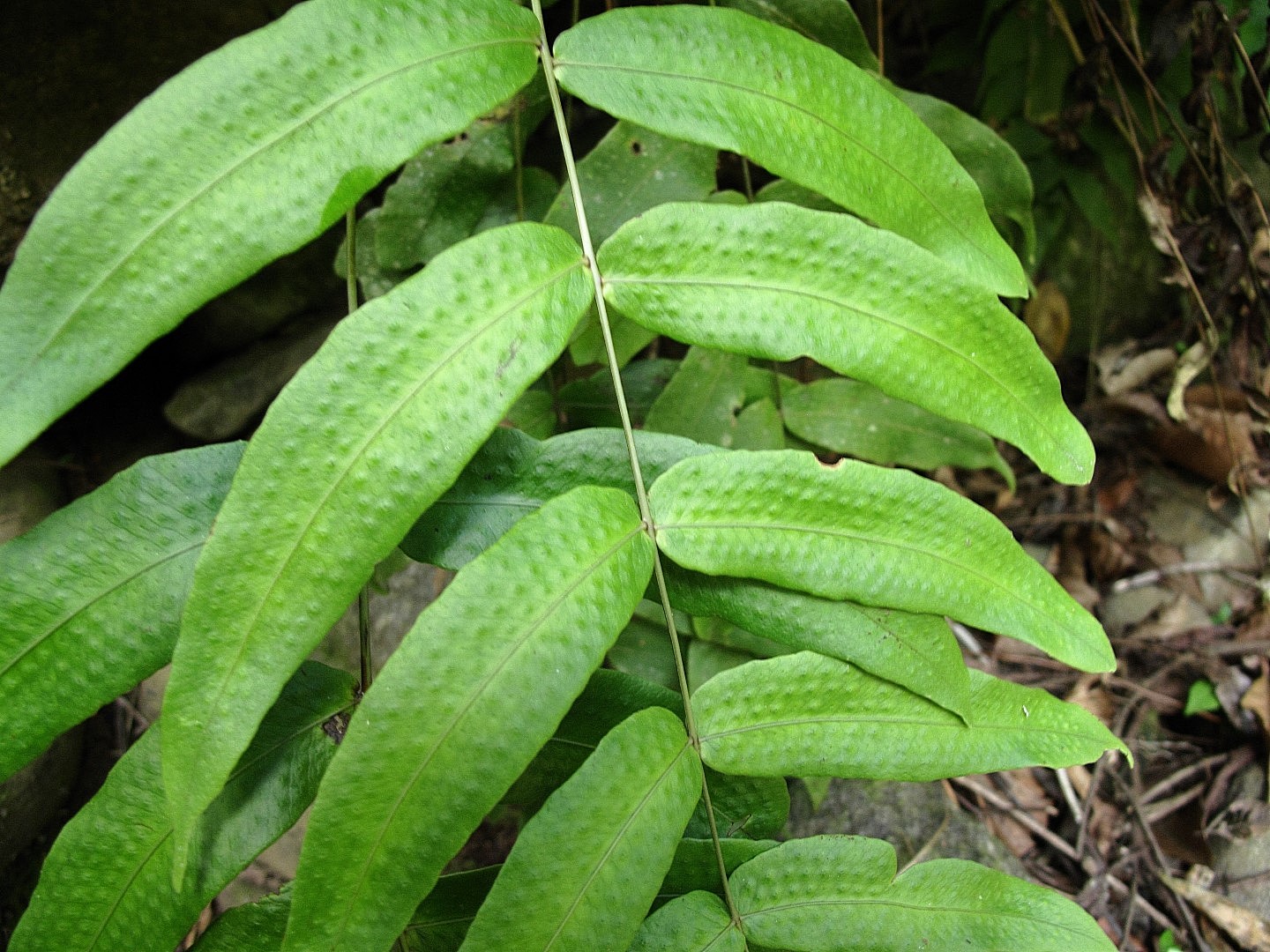
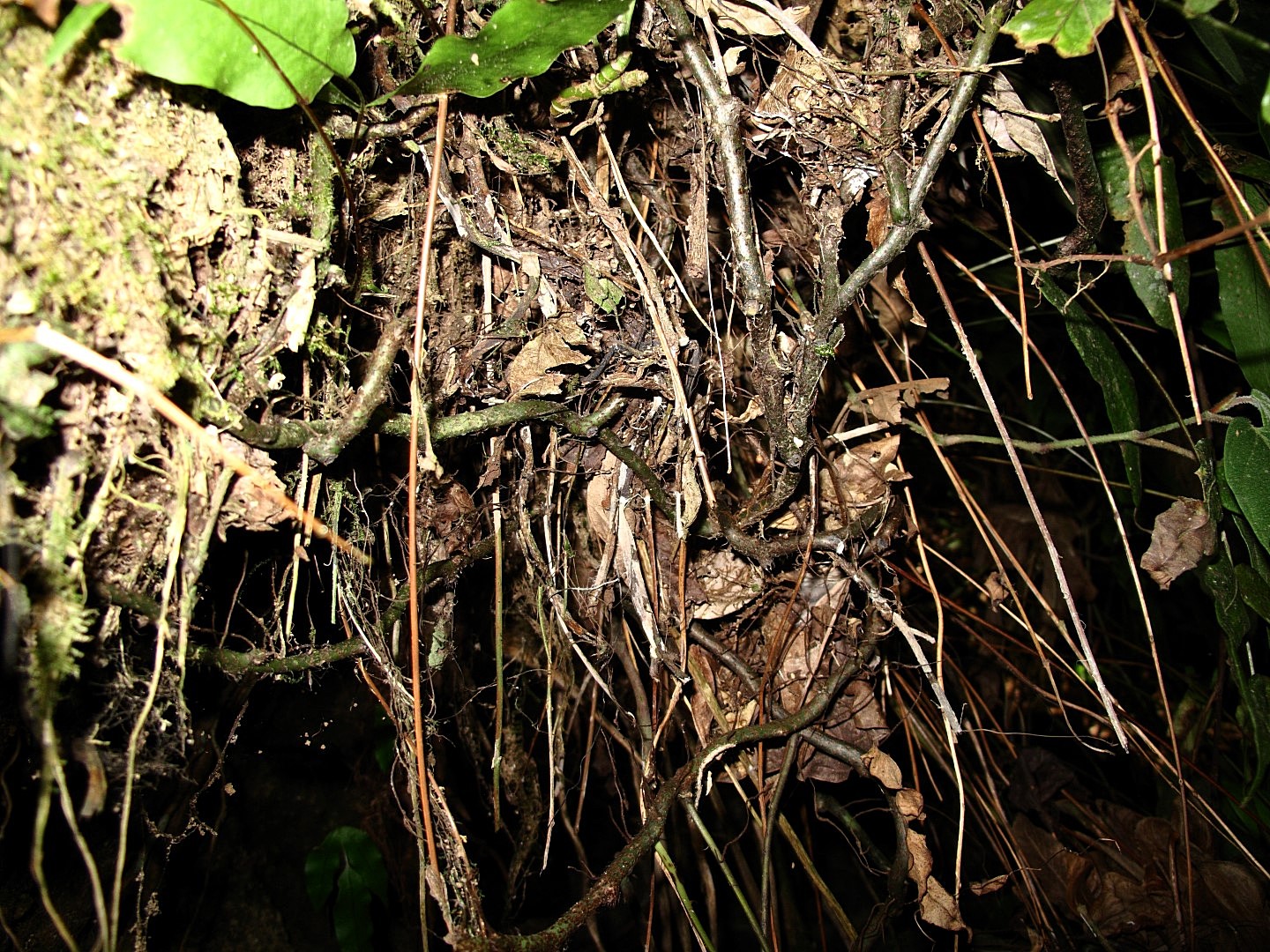
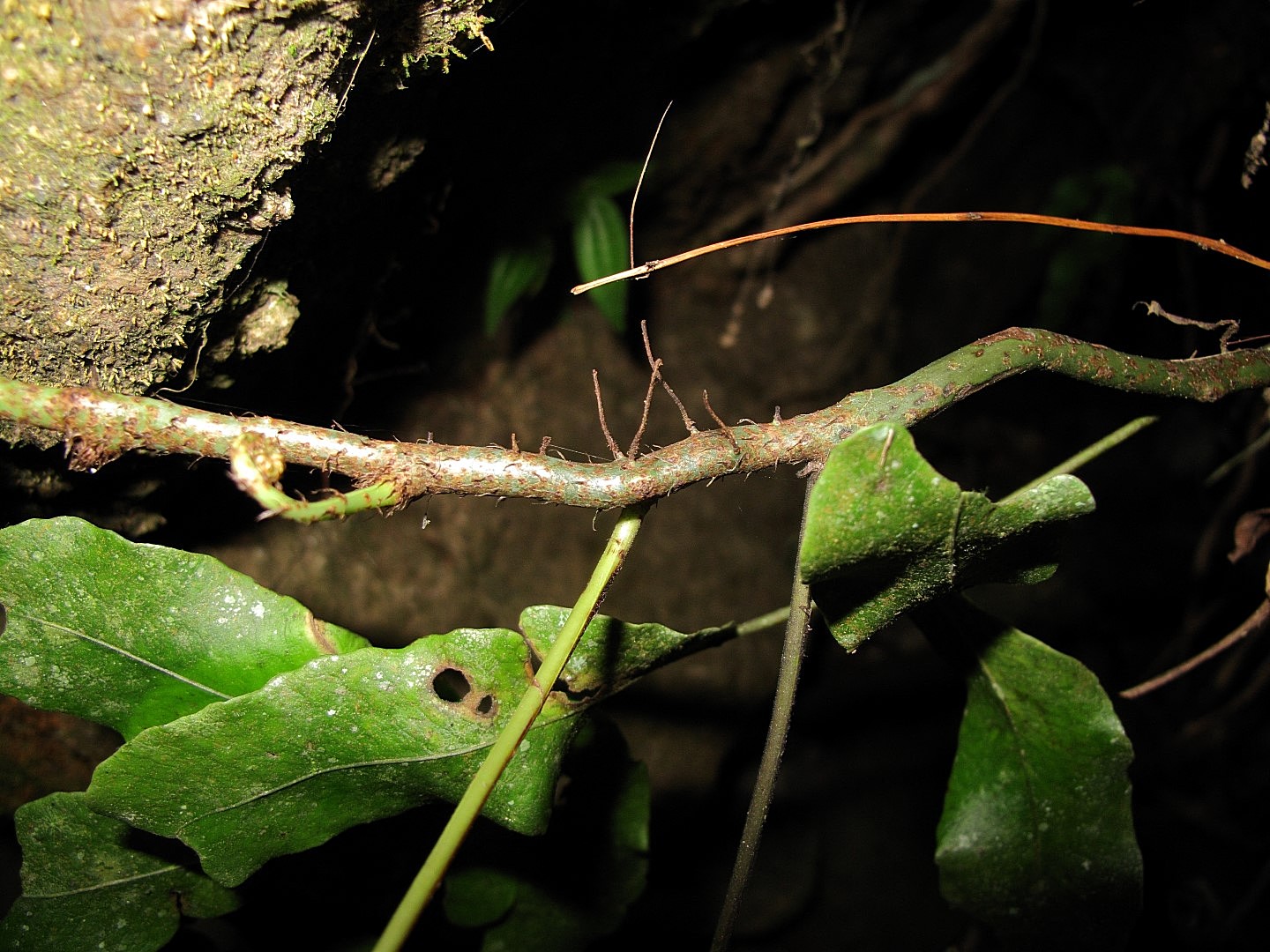
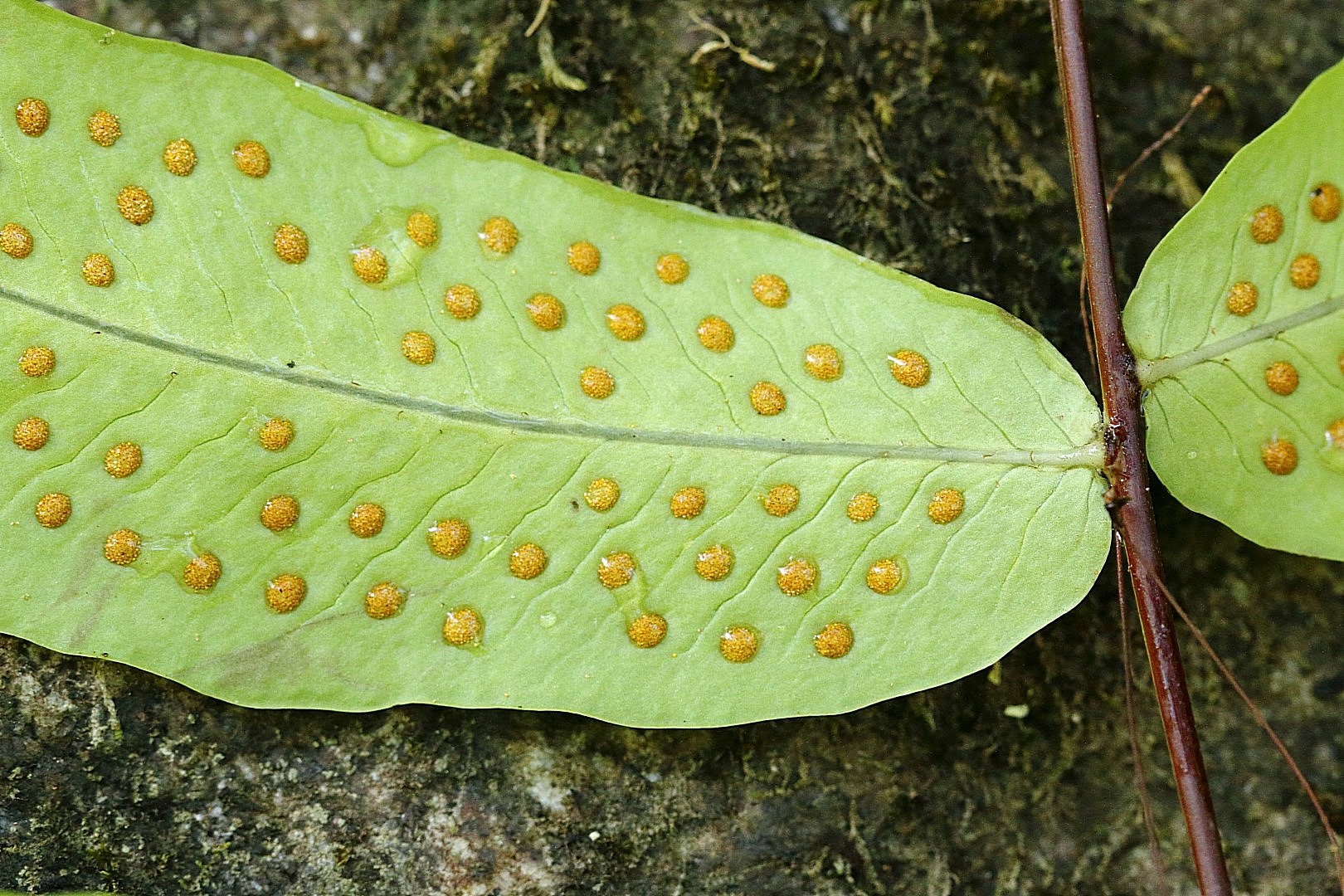
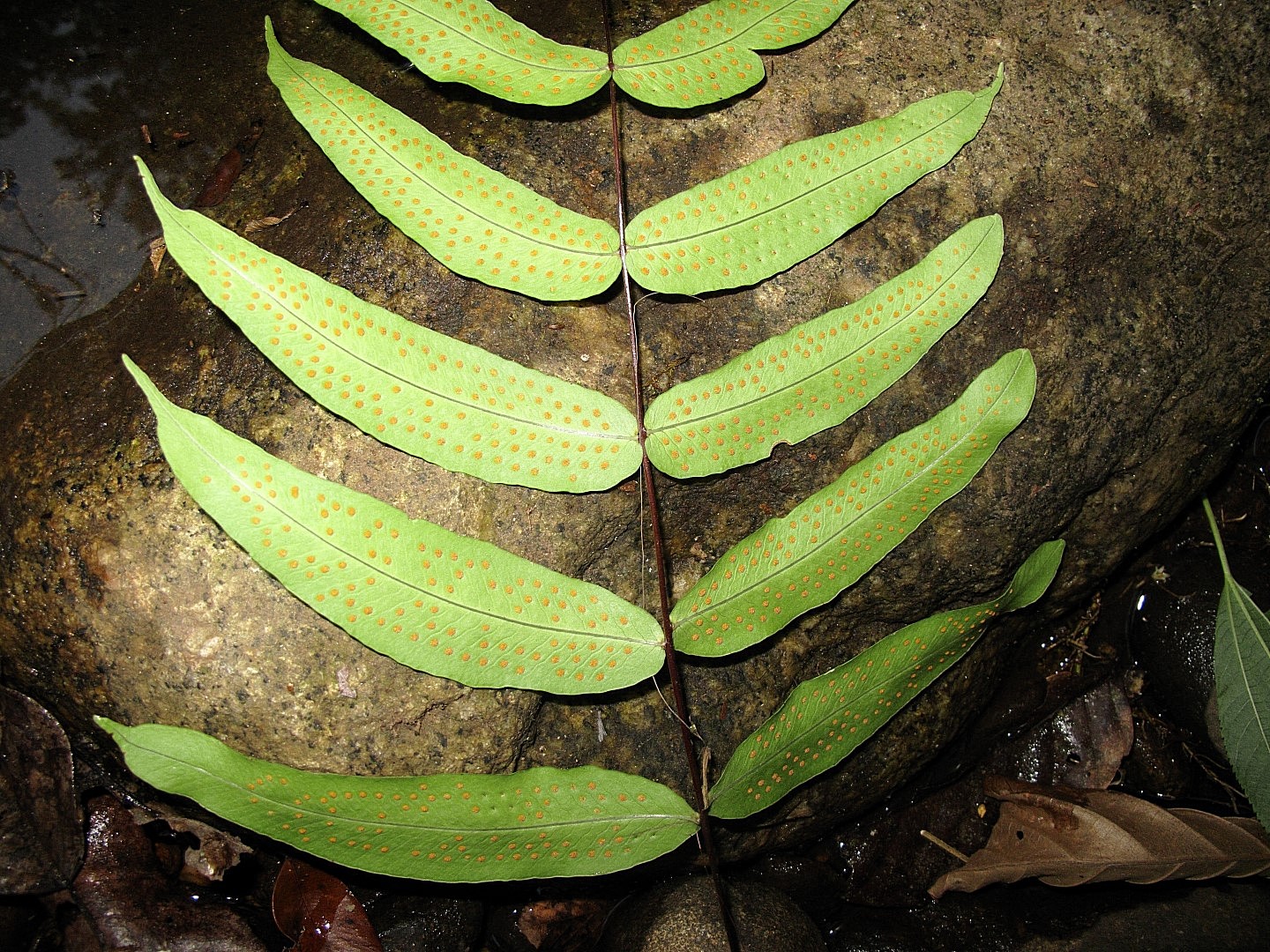
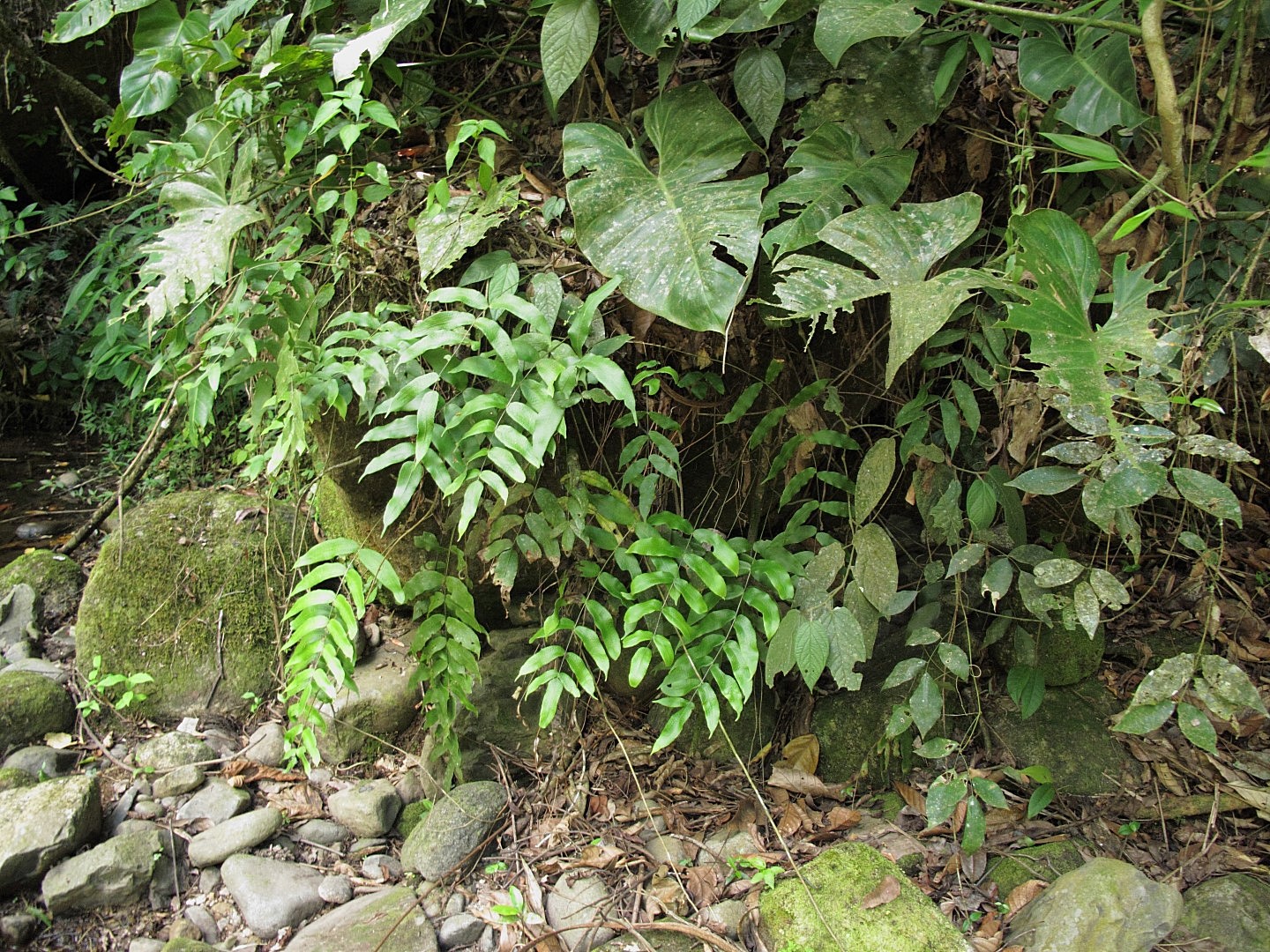
It is a fern that appears to creep or maybe climb, it produces stolons where new fronds are born. It was growing against a rock besides the river. Thank you for having a look, 🙂
No mapped posts found (no valid coordinates).
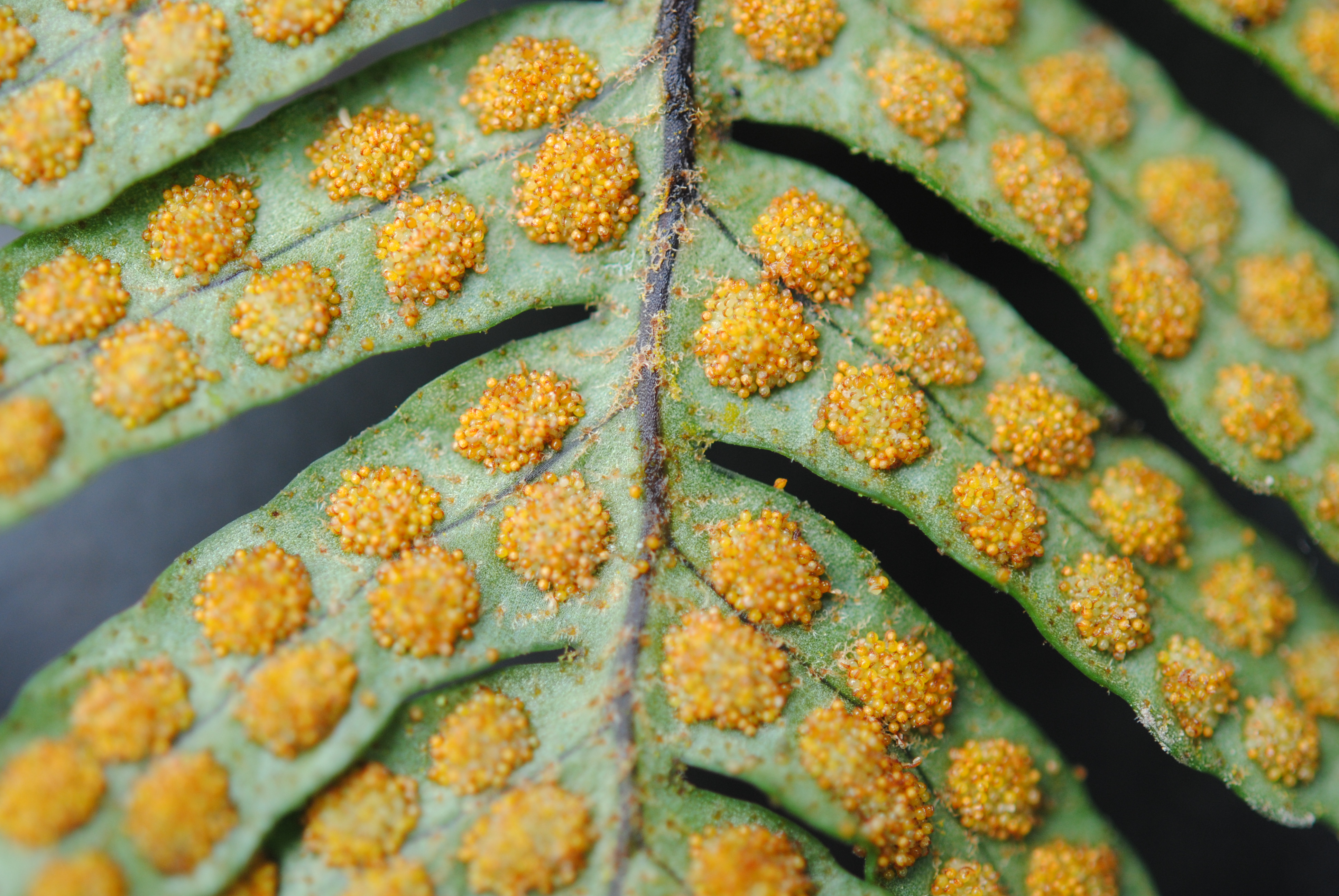
Pleopeltis fayorum is restricted to the western side of the Andes in Ecuador and Colombia. It can be distinguished from other speices of Pleopeltis by the distinctly bicolorous rhizome scales and the stellate-divided adaxial laminar scales. [gallery link="file"...
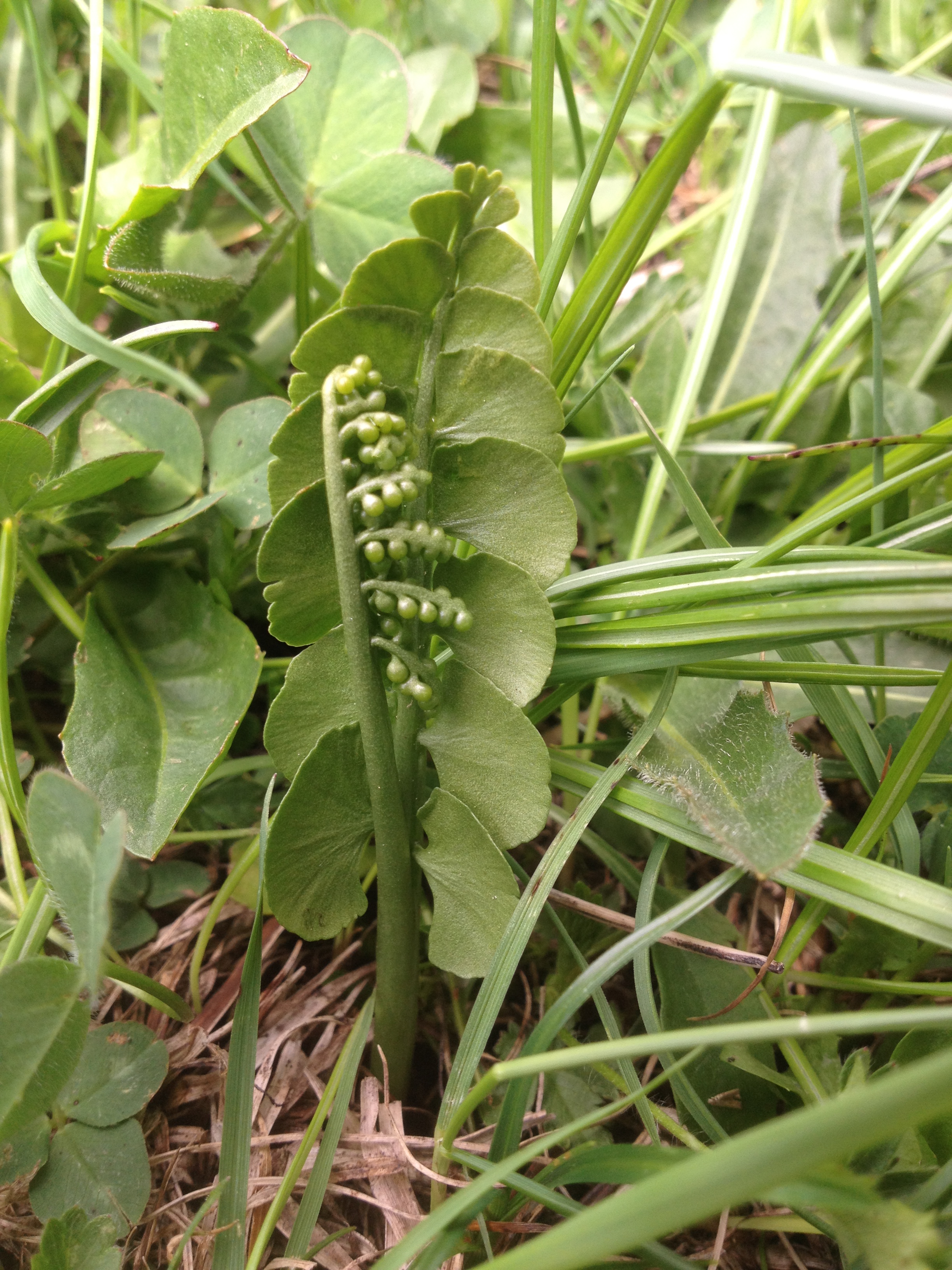
Botrychium lunaria has a circumpolar distribution in the northern hemisphere. Coming from New England, I think of it as a rare and hard to find species. To my delight, it was extremely abundant around Schynige Platte in the Swiss Alps. Once we spotted one plant we...
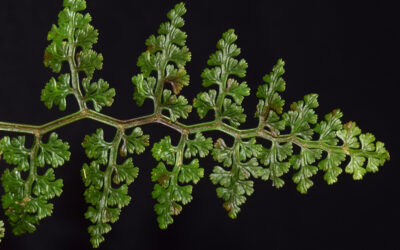

This is a Serpocaulon (Polypodiaceae), maybe S. fraxinifolium. I don’t know which members of this genus are in Brazil, but I know that S. fraxinifolium is there and looks like this.
Thank you a lot wtesto!
There are 9 species of Serpocaulon in the Rio de janeiro state according to the ‘Floa do Brasil’ and Serpocaulon fraxinifolium is amongst them.
I’ell try to find photo material on the web for the other species.
Thanks! 🙂
http://floradobrasil.jbrj.gov.br/reflora/listaBrasil/ConsultaPublicaUC/BemVindoConsultaPublicaConsultar.do?invalidatePageControlCounter=1&idsFilhosAlgas=%5B2%5D&idsFilhosFungos=%5B1%2C11%2C10%5D&lingua=&grupo=12&familia=null&genero=Serpocaulon&especie=&autor=&nomeVernaculo=&nomeCompleto=&formaVida=null&substrato=null&ocorreBrasil=QUALQUER&ocorrencia=OCORRE&endemismo=TODOS&origem=TODOS®iao=SUDESTE&estado=RJ&ilhaOceanica=32767&domFitogeograficos=QUALQUER&bacia=QUALQUER&vegetacao=TODOS&mostrarAte=SUBESP_VAR&opcoesBusca=TODOS_OS_NOMES&loginUsuario=Visitante&senhaUsuario=&contexto=consulta-publica
I agree with Weston, Myryam: Serpocaulon fraxinifolium (Jacq.) A.R. Sm.
Best to both, and thanks for mentioning my works in the other post, Weston! 🙂
Vinícius
Thanks for the confirmation Vinicius!
Myriam
Thanks everyone. I will update the post to reflect the latest determination.
Hi all, mmm I think that S. fraxinifolium from Brazil, is S. polystichum, also found in Bolivia to Colombia. S. fraxinifolium does not have patent scales in the rhizome. This will be solved soon.
Cheers,
David
Thanks for the comment David. I am familiar with S. polystichum from Bolivia. Please let us know when you have settled the taxonomy on this and I will update the post.