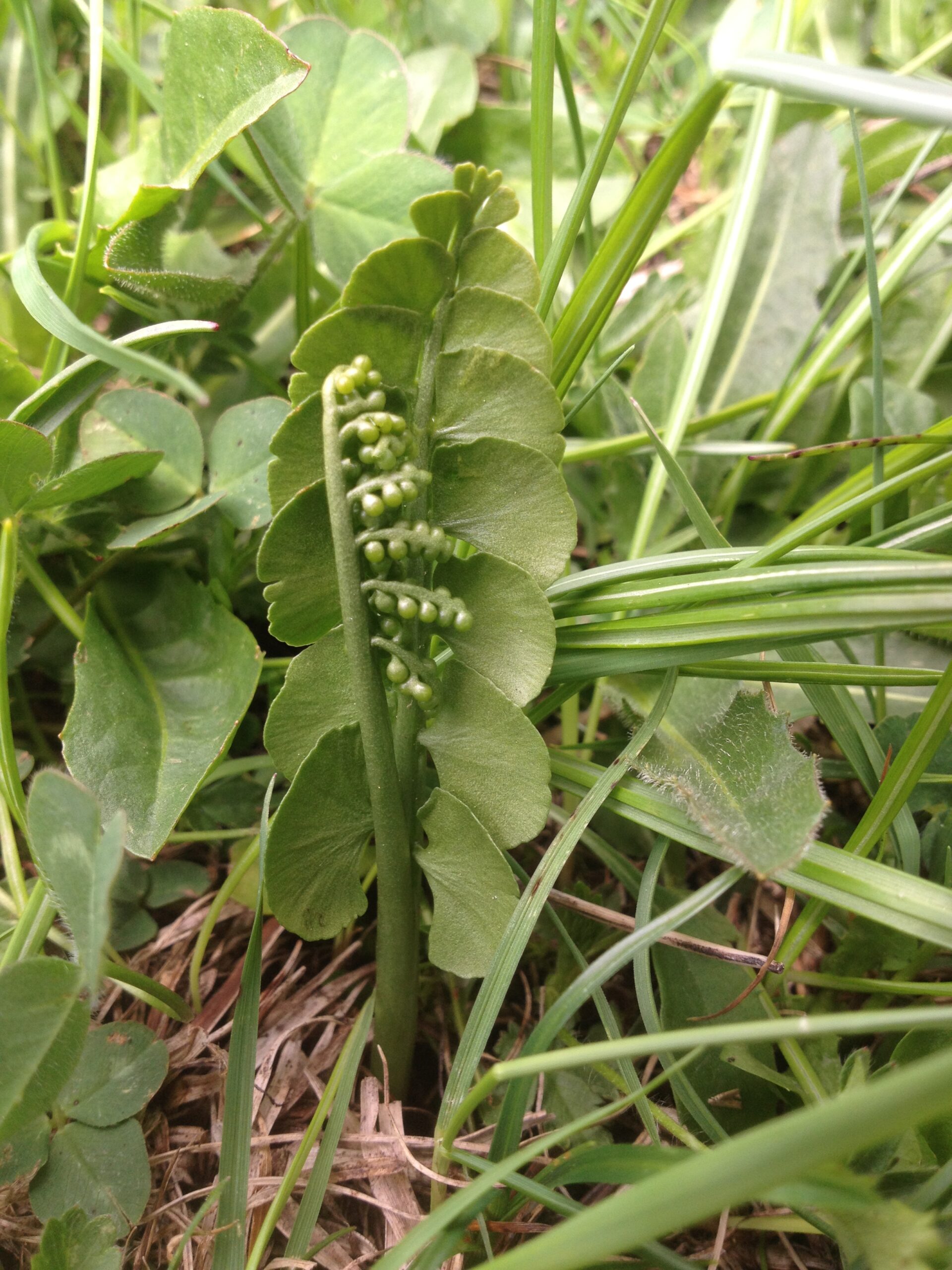
Botrychium lunaria

by | Jun 22, 2014 | Ferns, Observations, Uncategorized | 3 comments

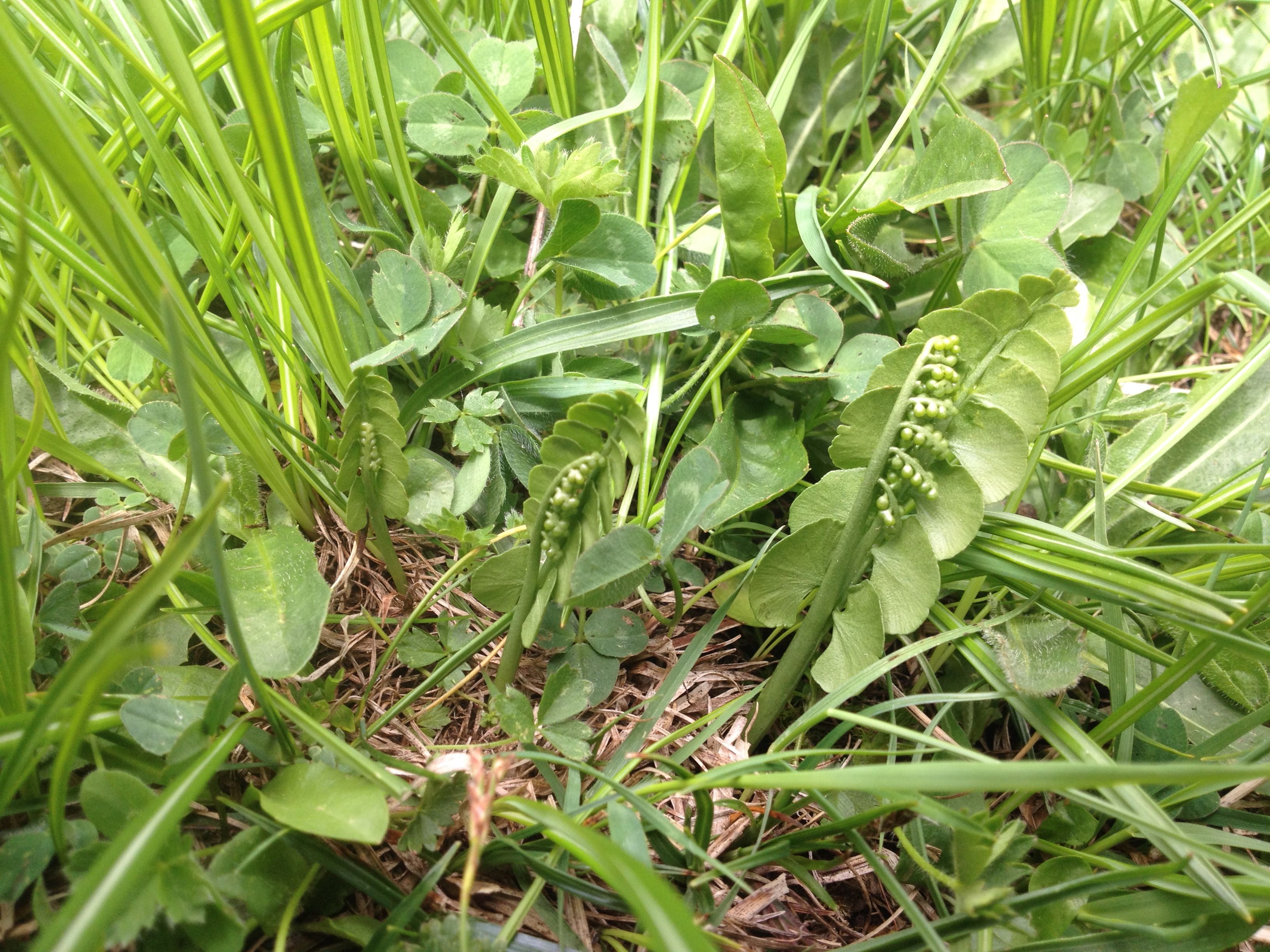
Botrychium lunaria has a circumpolar distribution in the northern hemisphere. Coming from New England, I think of it as a rare and hard to find species.  To my delight, it was extremely abundant around Schynige Platte in the Swiss Alps. Once we spotted one plant we began to notice them everywhere. 
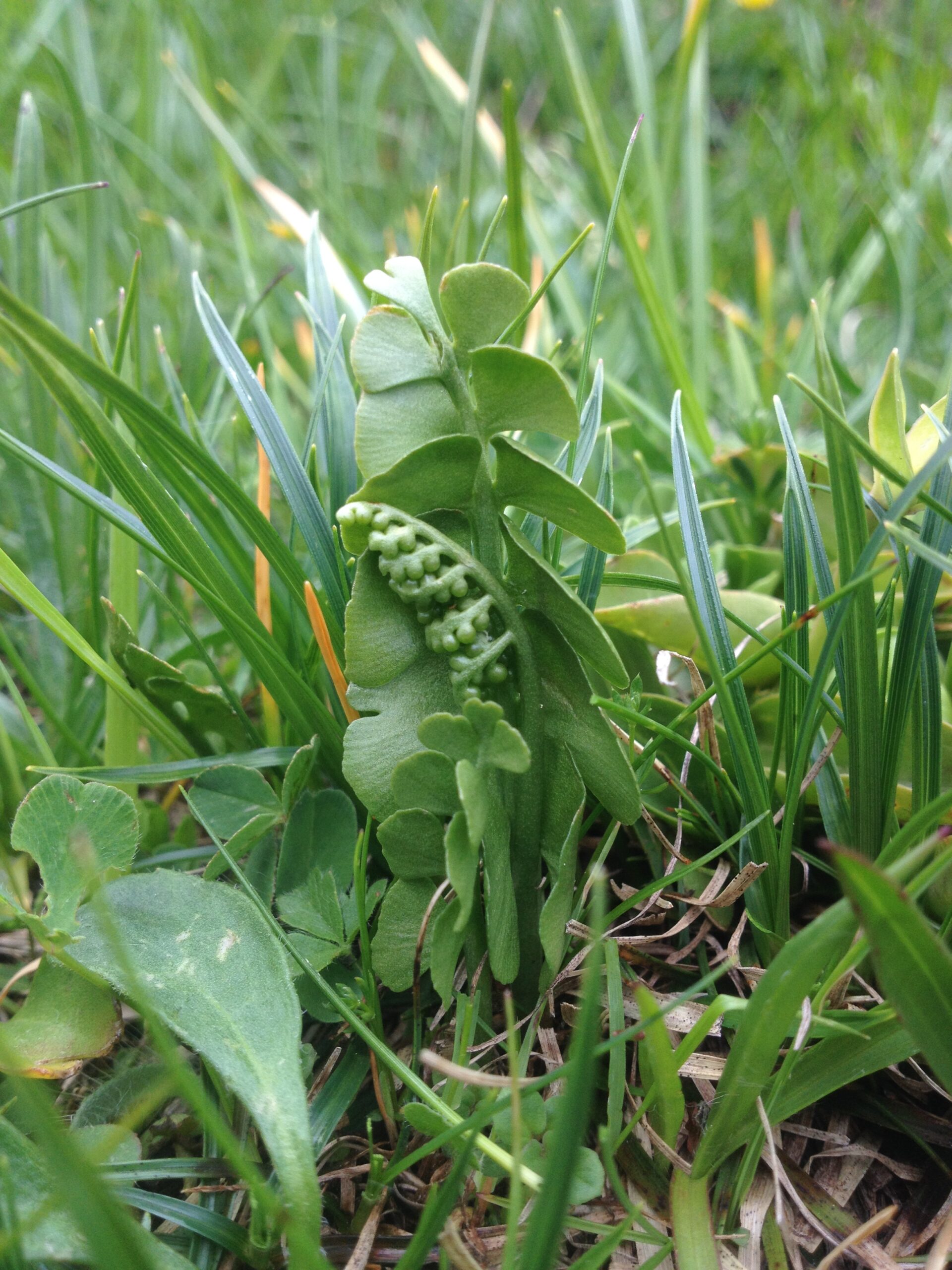
 

For further details on the habitat and distribution of B. lunaria see Art Gilman’s extensive conservation and research plan prepared for The New England Wildflower Society http://www.newfs.org/docs/pdf/Botrychiumlunaria.PDF


Collection data (M. Sundue, s.n. )

Classification & Common Names
Collection Data
  • Collection Date: 15-VI-2014
  • Collection Number: s.n.
  • Primary collector: M. Sundue
  • Collected by: M. Sundue, S. Noben, K. Maul, A. Weigand
  • Determined by: M. Sundue
  • Habitat: Alpine meadow
  • Habit: Terrestrial
  • Specimen location: VT
Botrychium lunaria
Collection Location

About the Author

<a href="https://www.fernsoftheworld.com/author/msundue/" target="_self">Michael Sundue</a>

Michael Sundue

My field work is centered in Colombia, and Papua New Guinea. I am based at the Royal Botanic Garden Edinburgh (E). If you have any ferns that you want identified, please send them to me!

You may also like:

Stenochlaena palustris

Stenochlaena palustris

Stenochlaena palustris is a common fern in tropical Asia. The long creeping rhizomes climb several meters into trees or in some cases form thickets. A nectary develops at the base of each pinna. These attract a variety of ants. Like other Blechnaceae, the young leaves...

Sticherus brevipubis

Sticherus brevipubis

Curiously to me, all species of Sticherus collected during this trip had some sort of pinkish pigment (carotenoids?) on their rhizomes. Is this true for the whole genus?  Anyways... Take a look at the size of those vessels on the transverse section of the petiole:...

3 Comments

    • Michael Sundue

      Thanks for pointing that out! I believe this plant would be recognized as B. neolunaria sp. nov. ined. following Don’s treatment. He points out that Stensvold concluded that the North American populations are genetically distinct from those of Europe.

      Reply
  1. wtesto

    Michael – this plant is probably B. lunaria s.s. because that species is based on a Linnaean type which is presumably European. In North America, B. lunaria s.s. is very rare and restricted to montane regions in the far north. Botrychium neolunaria seems to be the most widespread North American taxon in this immediate group; B. tunux and B. yaaxudakeit are also present. Botrychium onongadense is also in this group, but I believe Stensvold treated it as a synonym of B. neolunaria. I have only seen B. neolunaria in life.

    Reply

Leave a Reply to wtesto Cancel reply

Your email address will not be published. Required fields are marked *

Share This