Phlegmariurus talamancanus

by | Feb 12, 2014 | Lycophytes, New Collections | 0 comments

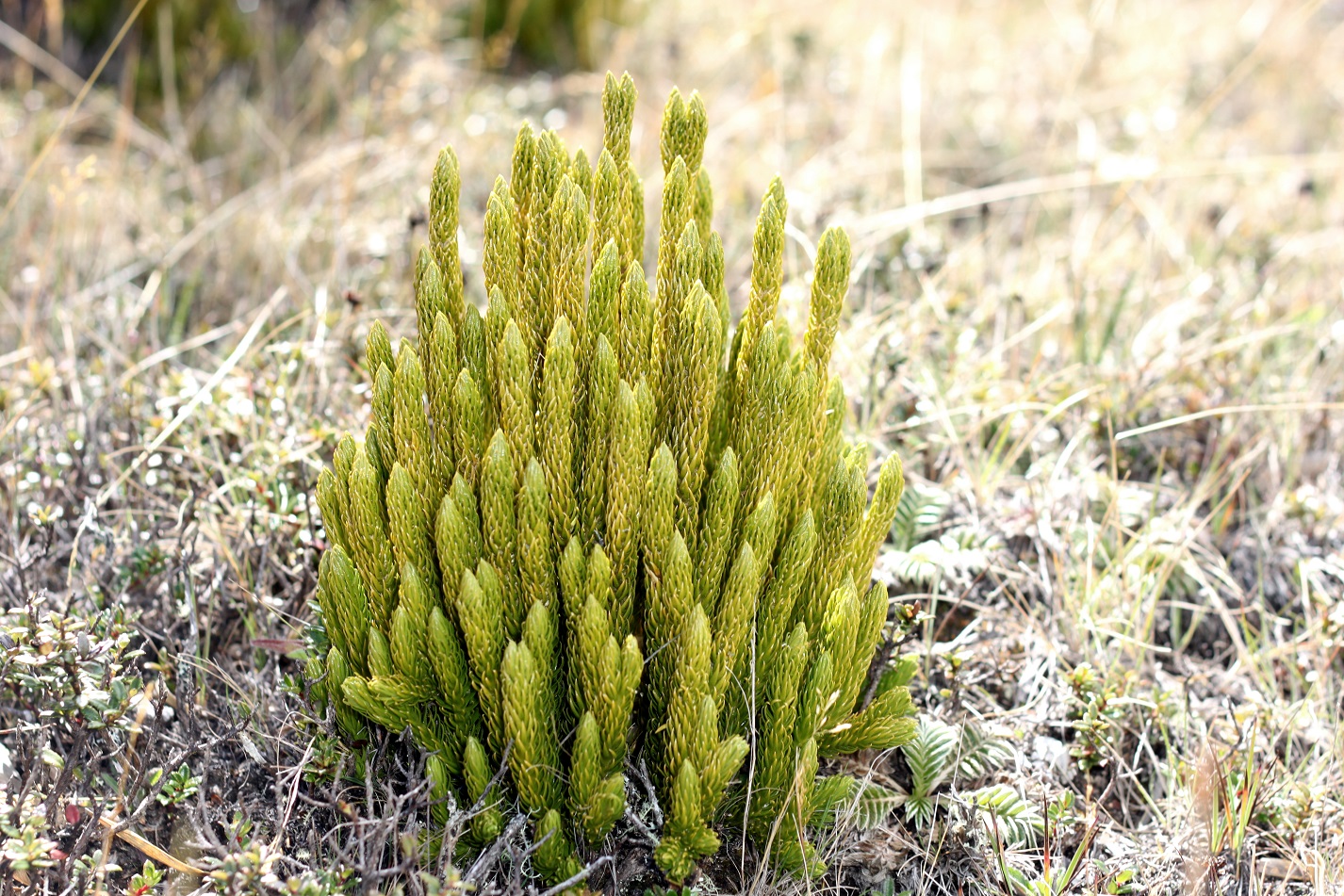
Phlegmariurus talamancanus is a narrow endemic found in paramos of central Costa Rica and a few localities in western Panama. It differs from Phlegmariurus crassus (with which is co-occurs throughout its range) by a lack of heteroblastic shoot differentiation, slightly larger and often less appressed leaves, and several leaf epidermis characters.

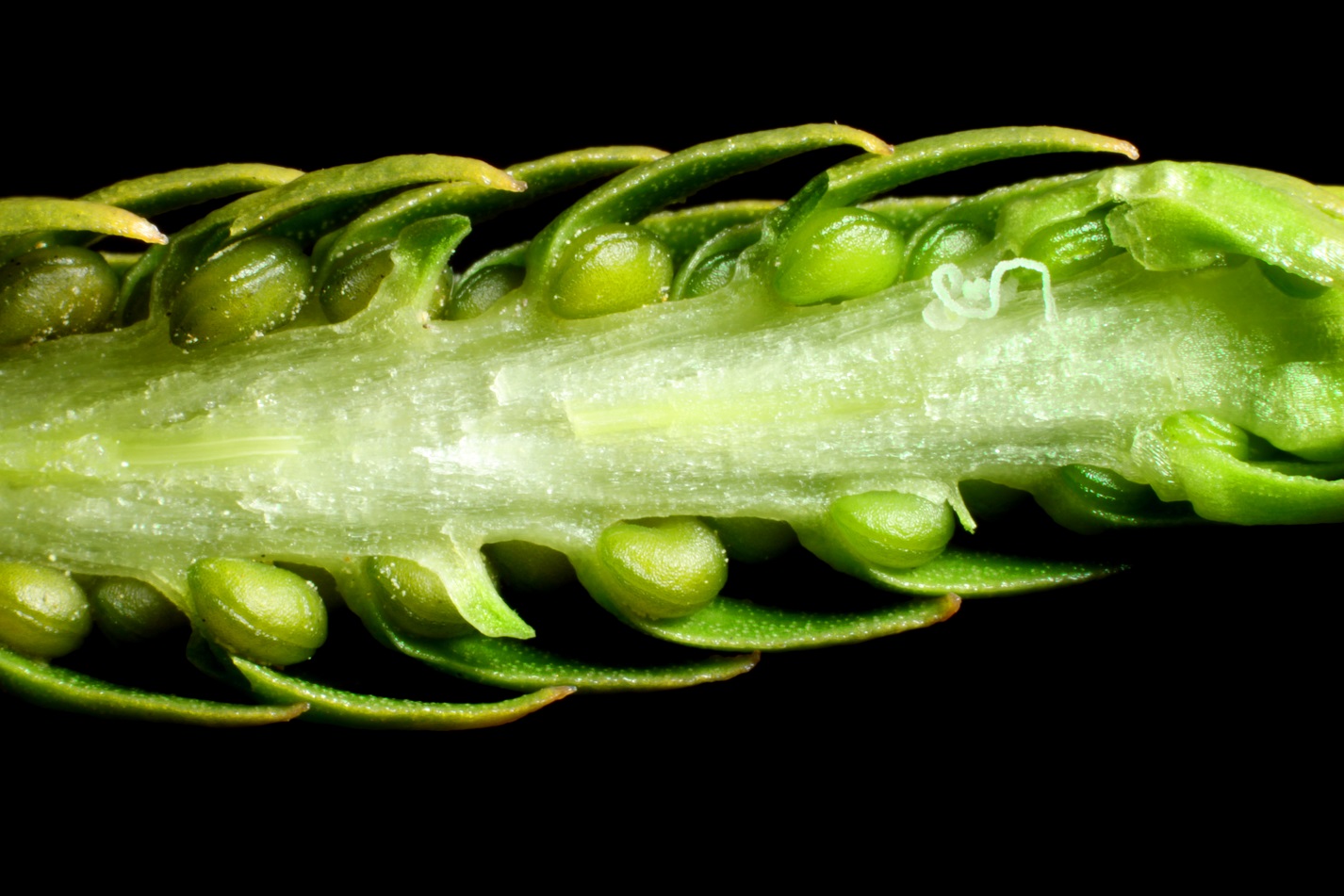
It is a common herb in paramo habitats in the Cordillera de Talamancana of south-central Costa Rica, where this specimen was collected. Note the slightly swollen leaf bases in the close-up image; this is caused by air cavities in the leaf bases. Other prominent Phlegmariurus species at this site are P. crassus and P. attenuatus; several others are rare in these habitats.

Collection data (W. Testo, 231 )

Collection Data
  • Collection Date: 16-01-2013
  • Collection Number: 231
  • Primary collector: W. Testo
  • Collected by: W.L. Testo
  • Habitat: Paramo
  • Habit: Terrestrial
  • Specimen locations: AAU, VT
  • Observations: Terrestrial in wet paramo. Growing in shade of Chusquea along bank of small stream near culvert under main road to the radio towers. Plants forming small clumps amongst rocks. Growing with Phlegmariurus attentuatus and Polystichum speciosissimum. Common.
Phlegmariurus talamancanus
Collection Location

About the Author

<a href="https://www.fernsoftheworld.com/author/wtesto/" target="_self">wtesto</a>

wtesto

I am a postdoc at the University of Gothenburg, Sweden. I am interested in fern and lycophyte diversity, especially in the American tropics.

You may also like:

Hymenophyllum copelandii

Hymenophyllum copelandii

Hymenophyllum copelandii has been confused with H. polyanthos but differs by the narrow elongate lamina.  It belongs to subg. Mecodium, which is distinguished by its usually glabrous laminae and segment lobes with entire margins. [gallery link="file"...

Saccoloma inaequale

Saccoloma inaequale

Saccoloma inaequale is the most common species of Saccolomataceae, occurring from Mexico to southern Brazil. It is highly variable throughout its range and probably consists of more than one species. Note the "omega-shaped" vascular bundle on that cross section of the...

0 Comments

Submit a Comment

Your email address will not be published. Required fields are marked *

Share This