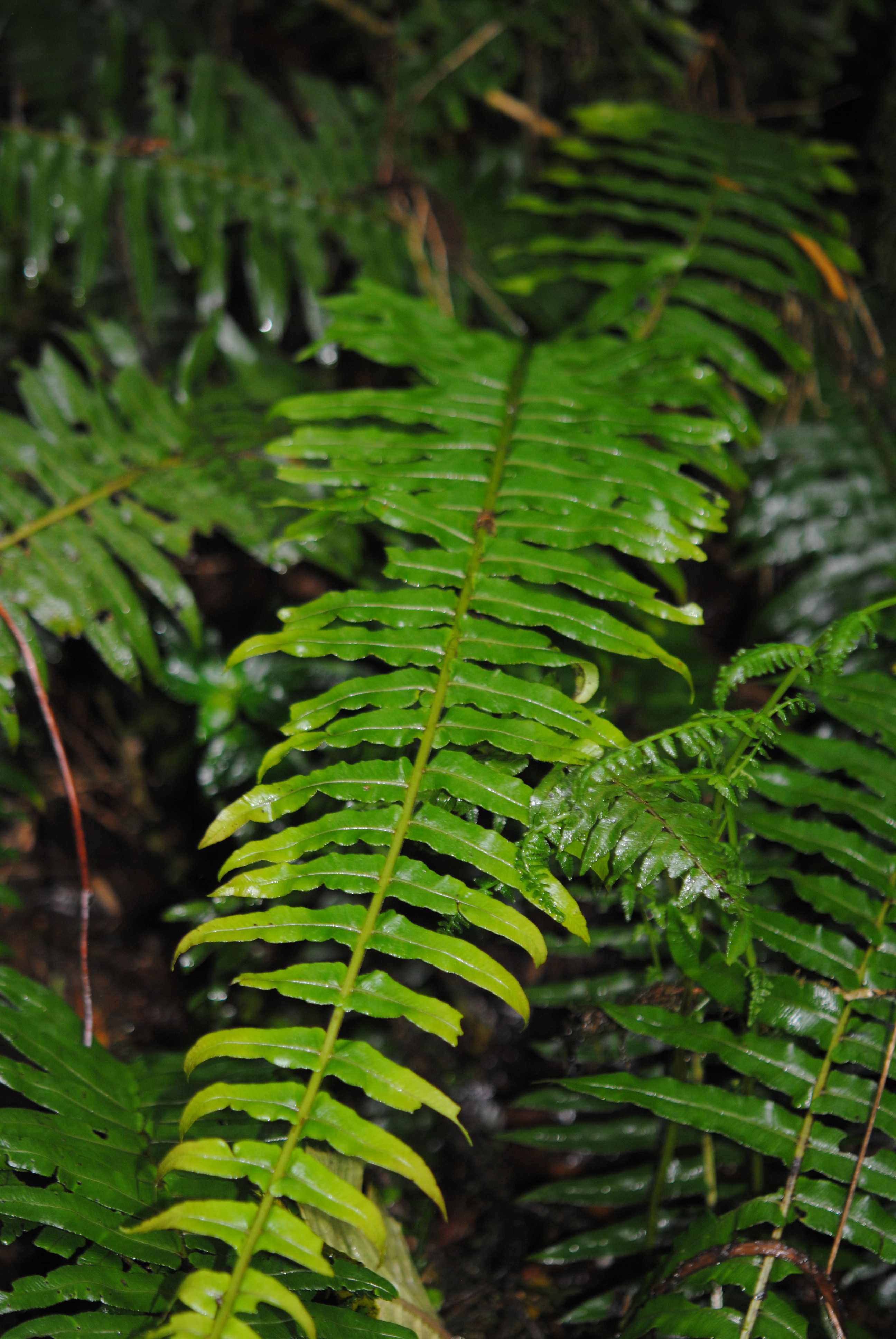
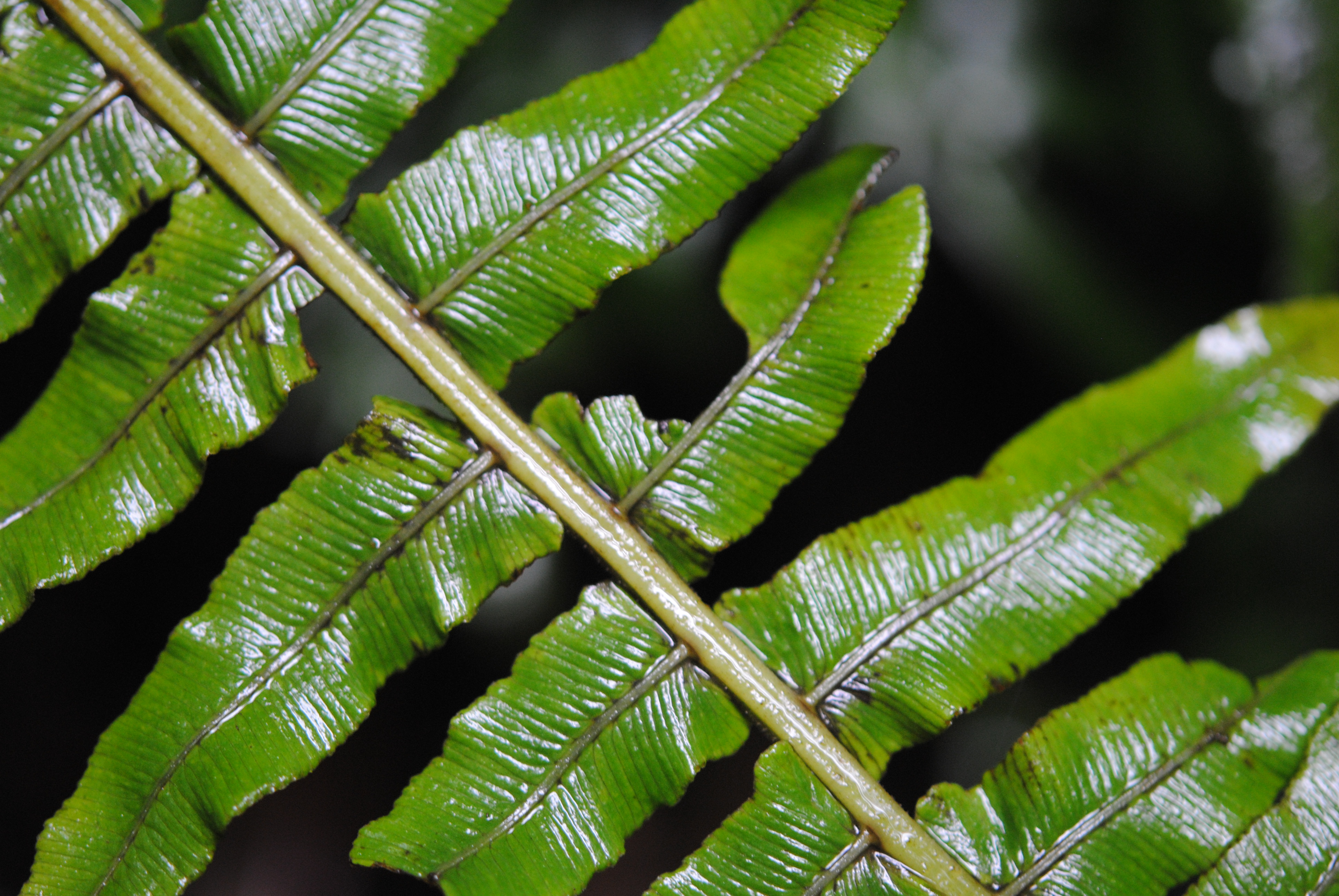
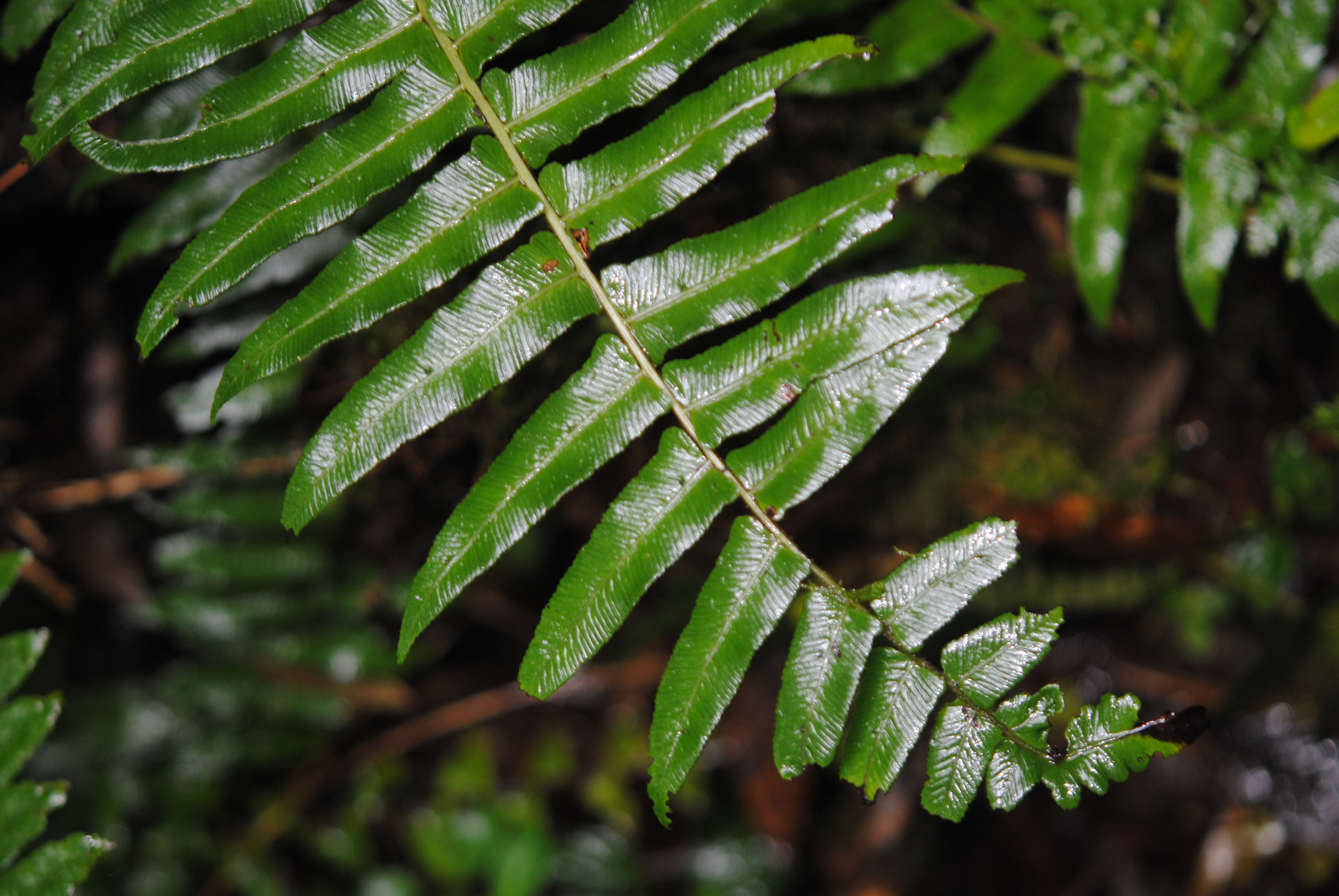
The elongate leaves that are distally proliferous help to distinguish Cranfilia caudata from other neotropical Blechnaceae.

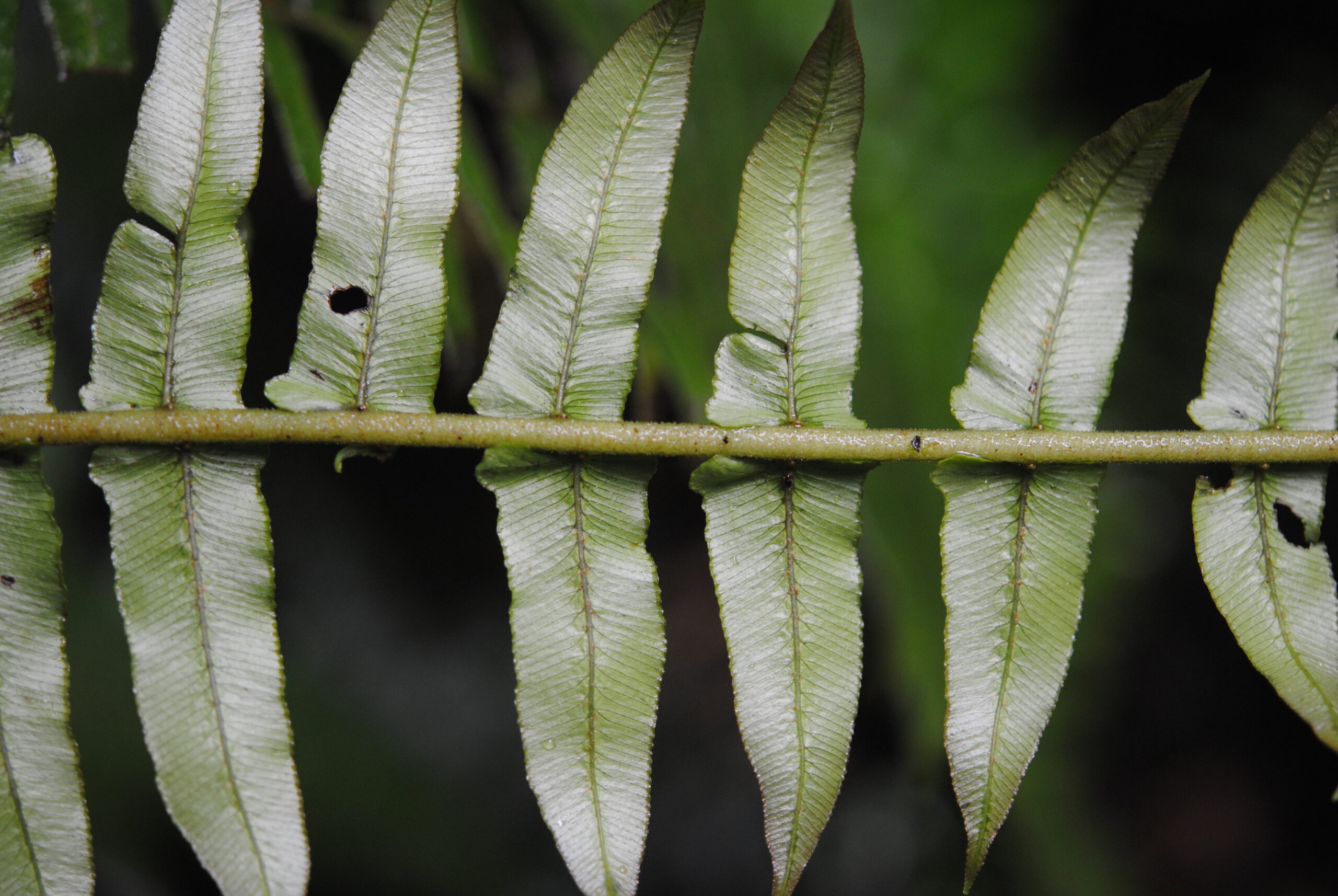
The elongate leaves that are distally proliferous help to distinguish Cranfilia caudata from other neotropical Blechnaceae.
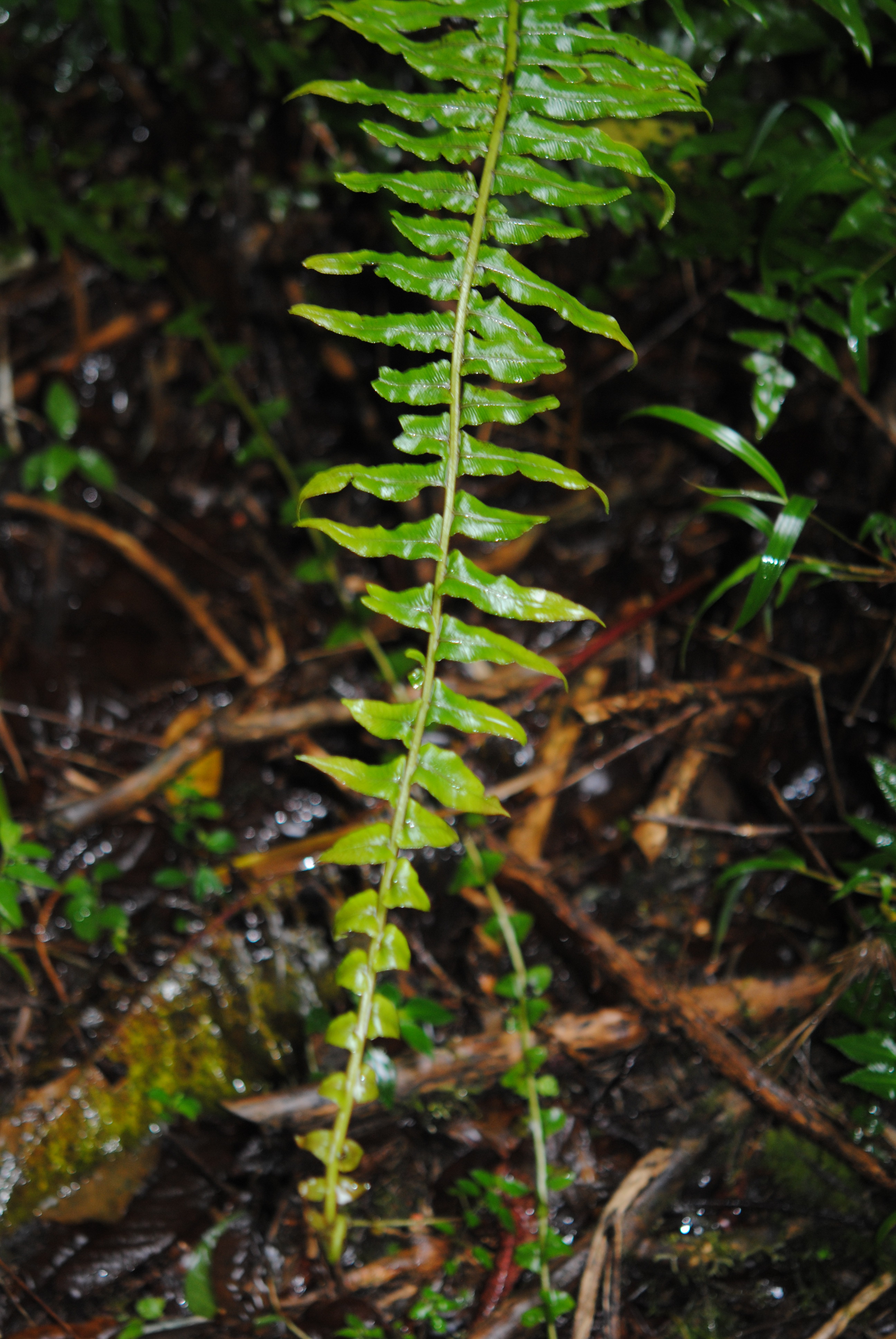
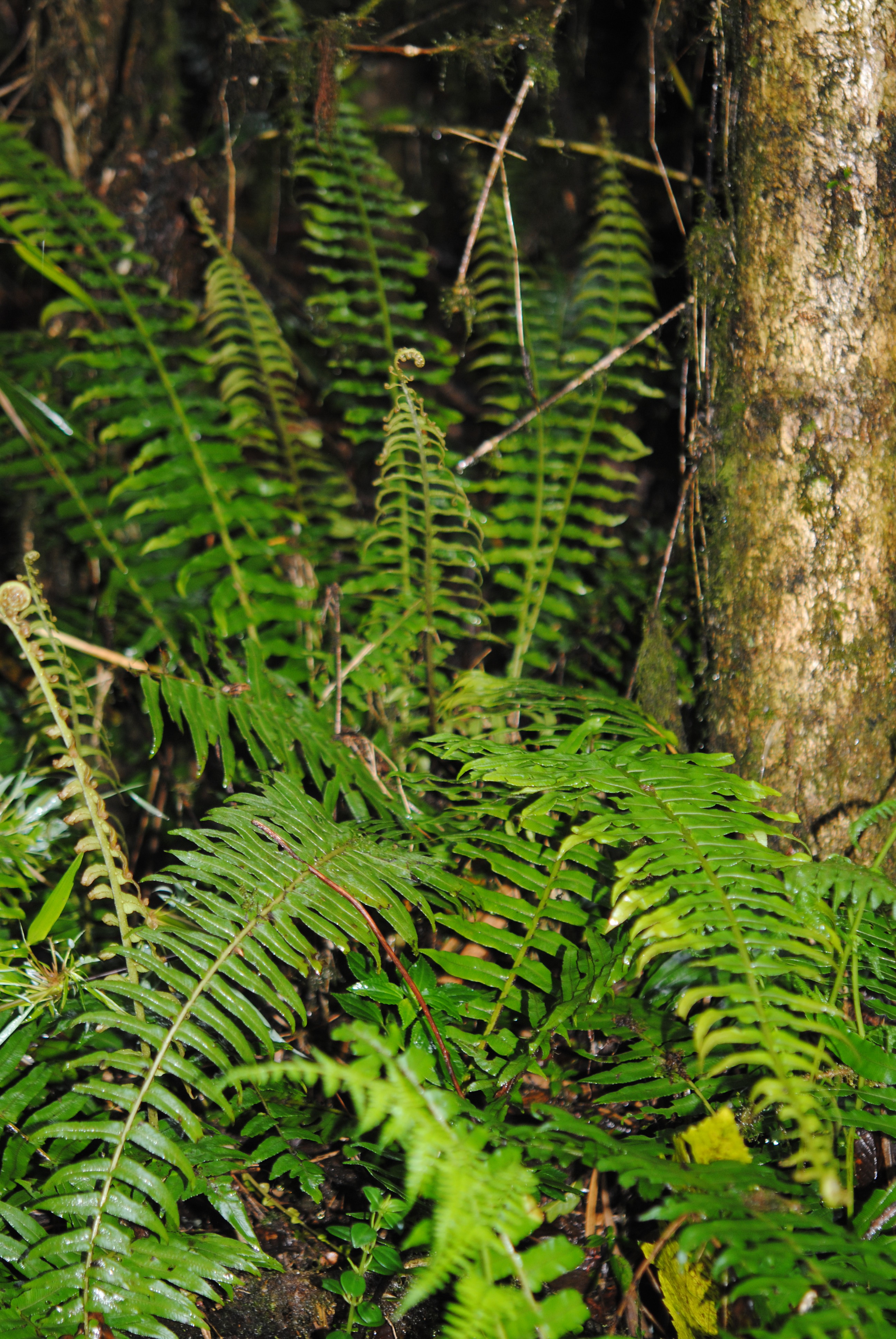
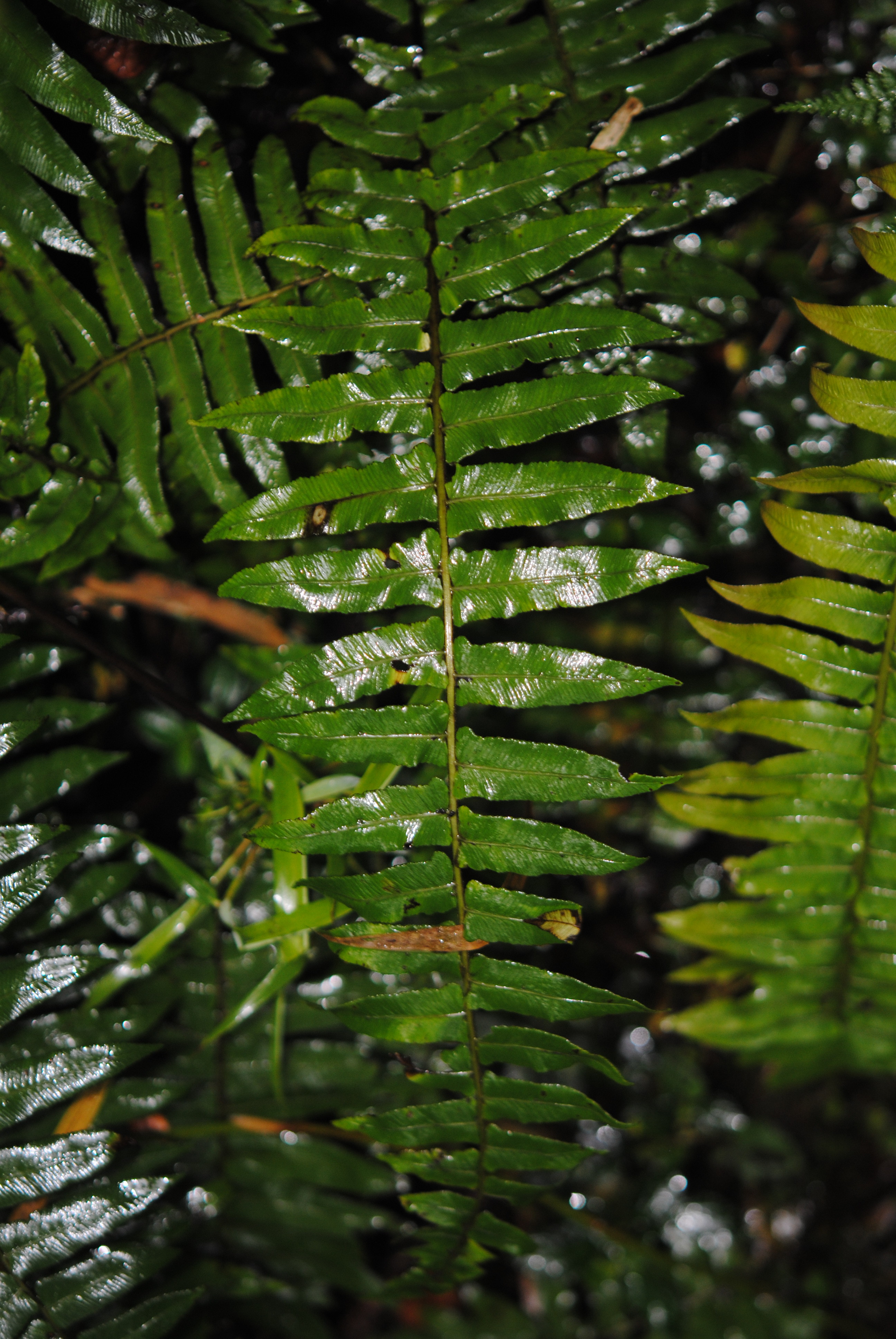

Geoffary Gunsalam and I found this epiphyte growing on Gunung Alab, in Tambunan (Sabah, Malaysia). The plant was sterile, and we were unable to place it to genus at the time. I did not collect it since my permit only covered grammitids. A few weeks later while...
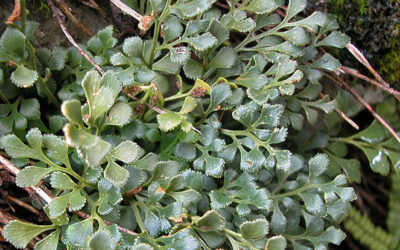
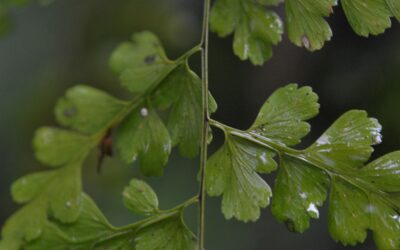
According to Moran’s treatment in Flora Mesoamericana (1995), this primarily Andean species is known in Central America from a single collection from the summit of Volcan Barva, where these photos were taken.
Michael: the correct name of this plant is Cranfillia caudata (Baker) V.A.O. Dittrich & Gasper – we corrected the name here (https://www.researchgate.net/publication/315810645_The_family_Blechnaceae_Polypodiopsida_in_Brazil_key_to_the_genera_and_taxonomic_treatment_of_Austroblechnum_Cranfillia_Lomaridium_Neoblechnum_and_Telmatoblechnum_for_southern_and_southeastern_Brazil)
Best regards,
Vinícius
Thanks Vinicius! I will update the nomenclature