Phlegmariurus dalhousieanus

by | Jun 16, 2014 | Lycophytes, New Collections | 5 comments

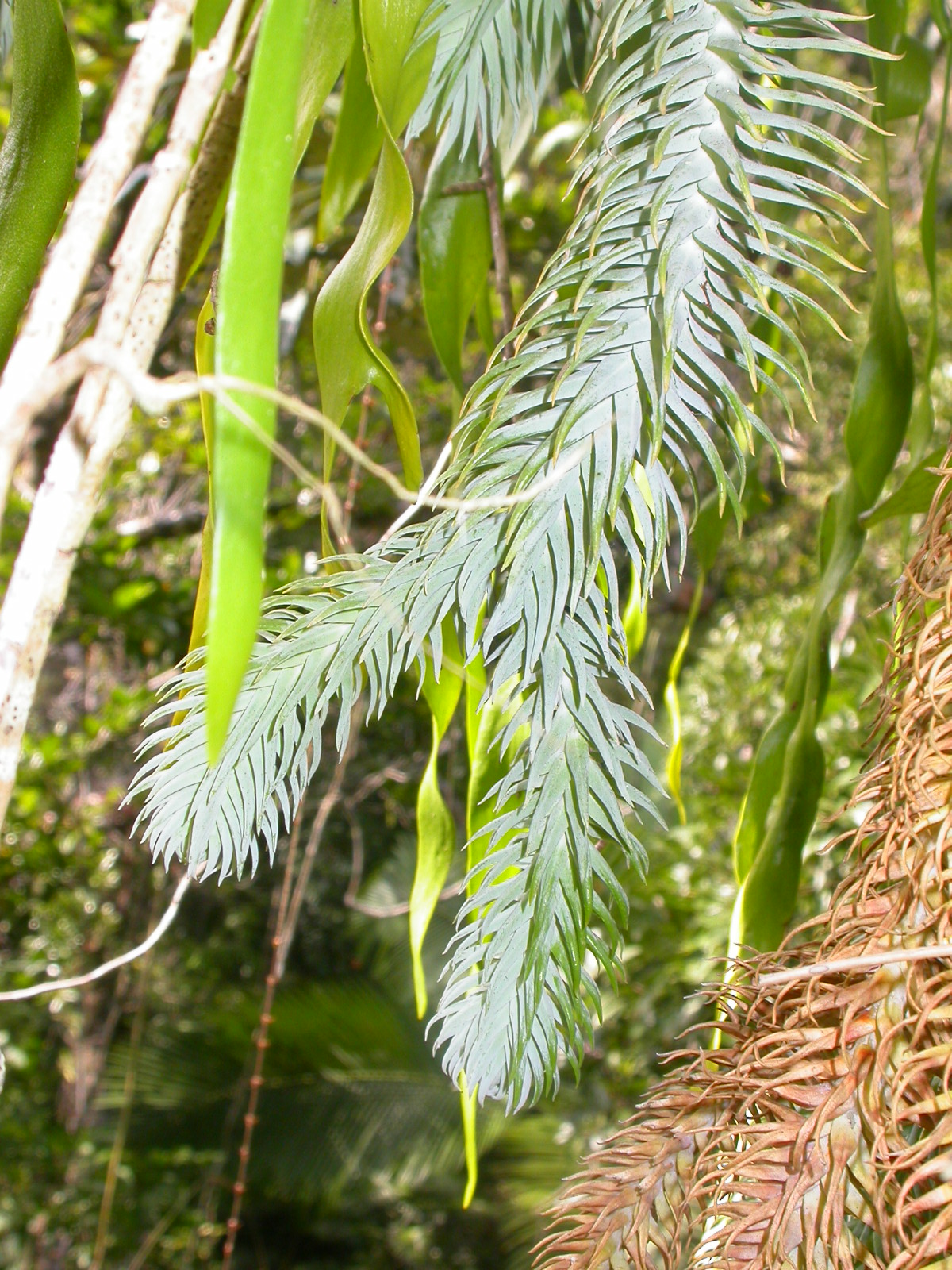
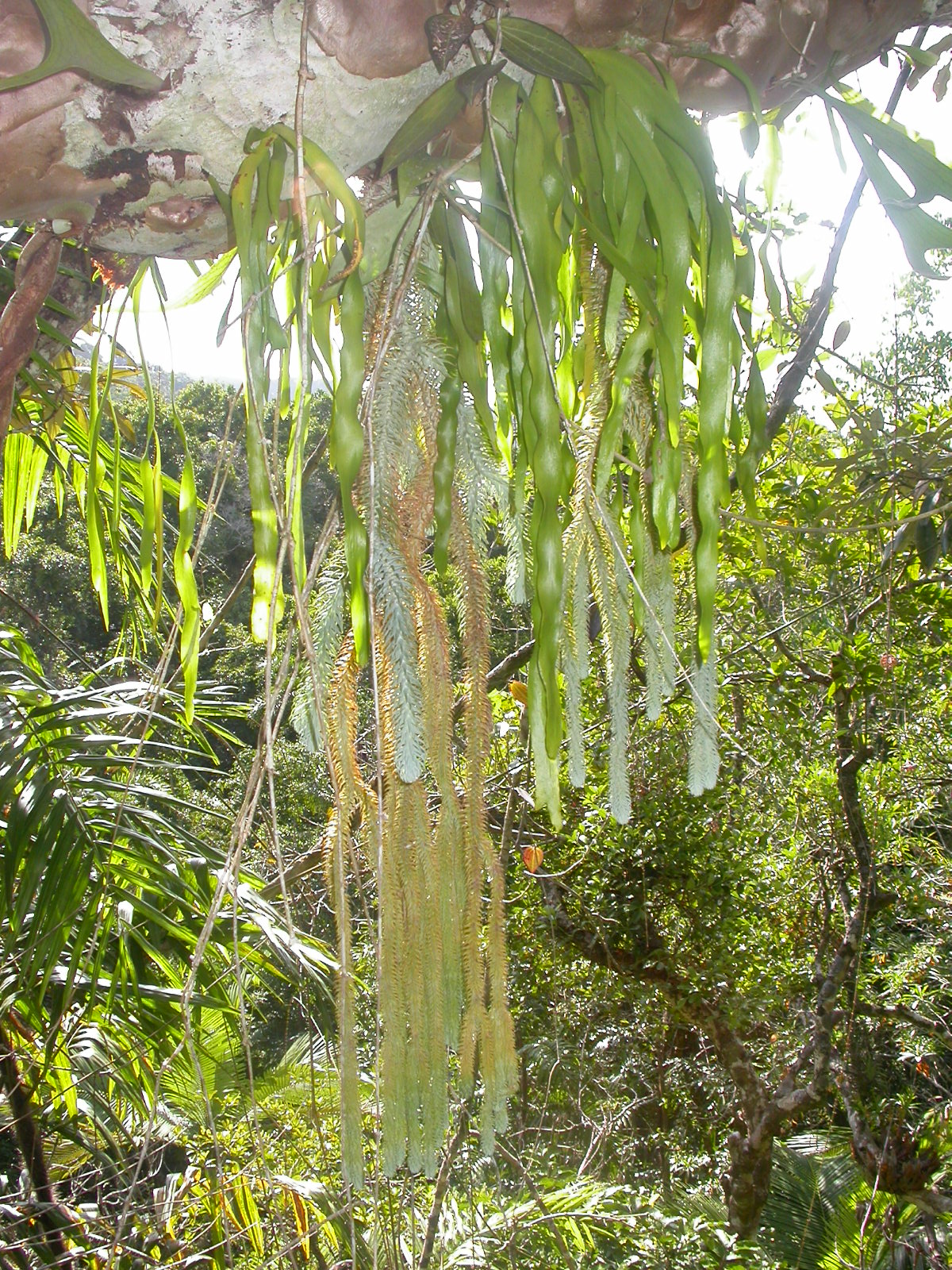
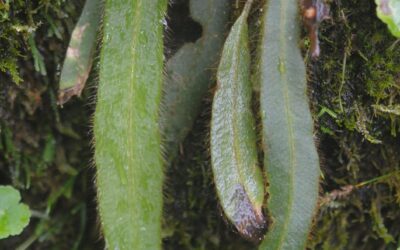
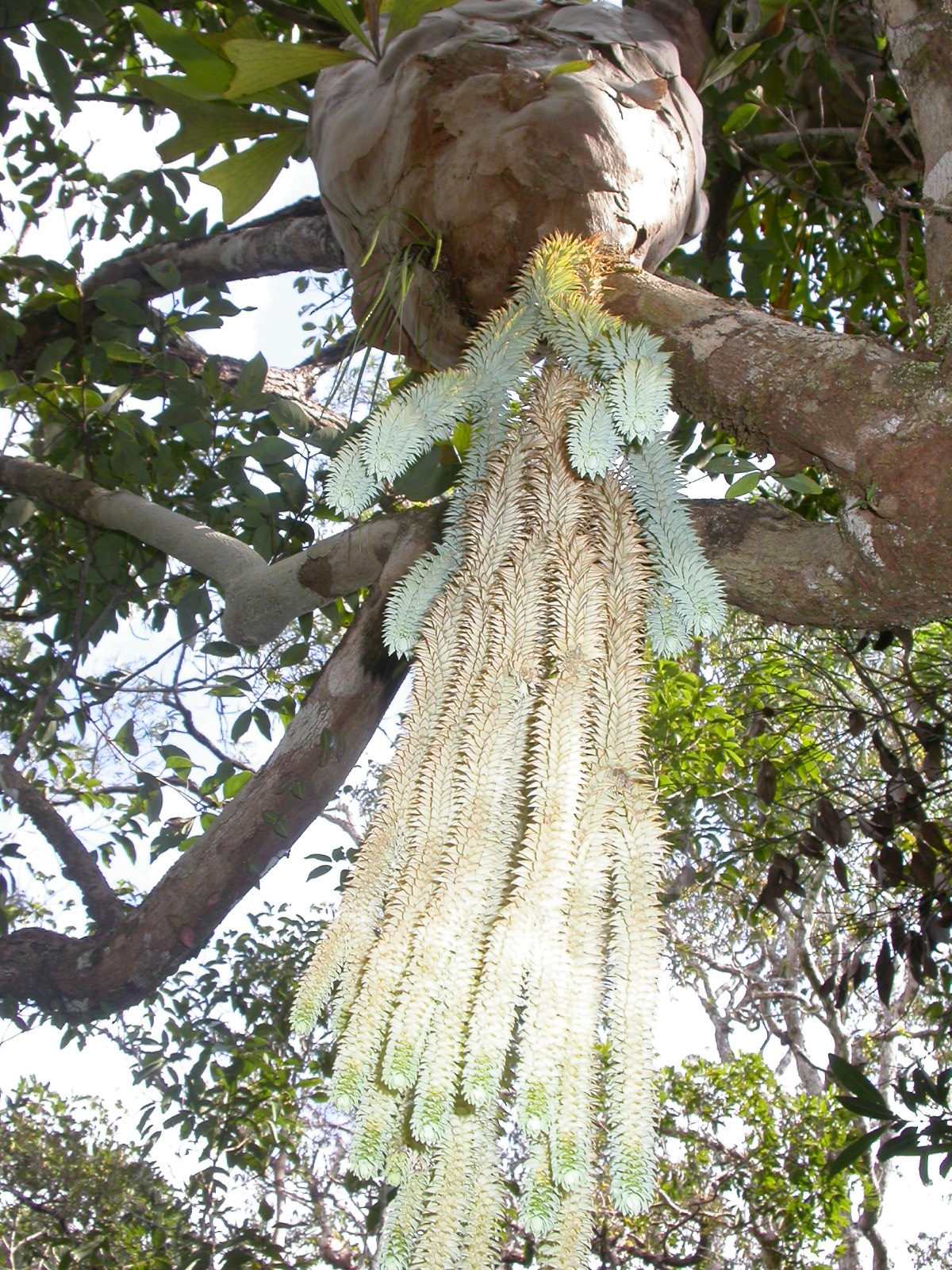
Phlegmariurus dalhousieanus is one of the rarest epiphytes to occur in north-eastern Australia. It took me three years and several hundred kilometers walking search transects (and a fair bit of obsession) to finally encounter this species! Sadly it is still in decline and I hope it doesn’t disappear altogether. It is the largest of the Australian Phlegmariurus species growing up to 2 m long with shoots 4 to 6 cm thick.
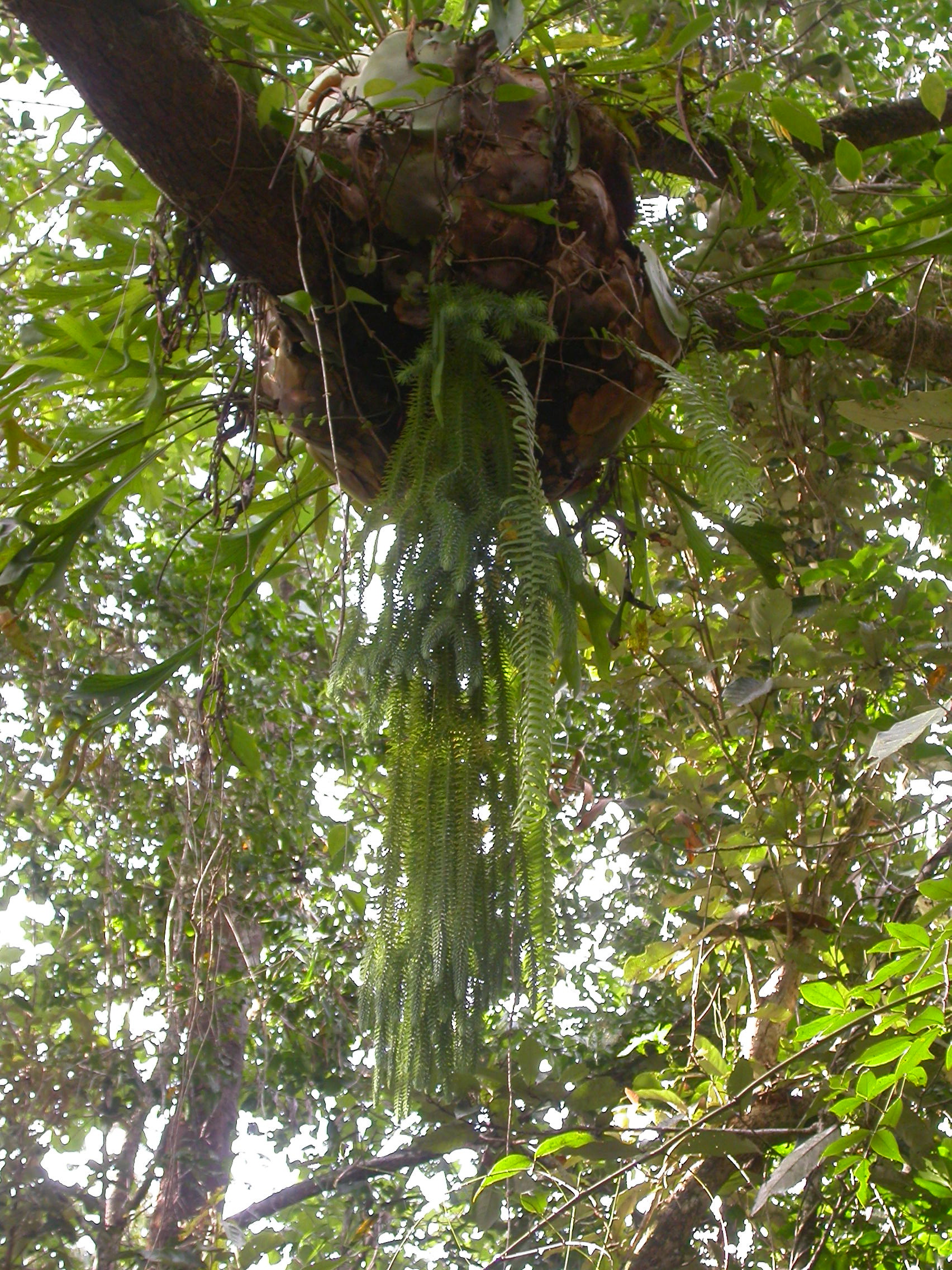
 

Collection data (A.R.Field & H.R.Field, ARF000766 )

Collection Data
  • Collection Date: 06-XI-2004
  • Collection Number: ARF000766
  • Primary collector: A.R.Field & H.R.Field
  • Collected by: A.R.Field & H.R.Field
  • Habitat: Tropical rainforest
  • Habit: Epiphyte
  • Specimen locations: BRI, CNS
  • Observations: An extremely scarce rainforest canopy epiphyte growing from the base of Platycerium hillii in complex mesophyll vine forest on metamorphics.

No mapped posts found (no valid coordinates).

Collection Location

About the Author

<a href="https://www.fernsoftheworld.com/author/ash/" target="_self">Ash</a>

Ash

I am a Lycophyte phylogeneticist and taxonomist working on Australasian Phlegmariurus. I live in tropical Australia.

You may also like:

Desmophlebium lechleri

Desmophlebium lechleri

Desmophlebium lechleri is widely distributed in the neotropics, from Costa Rica to Peru and Brazil. As you can see here, it has an incredible ornamental potential, which is so far underexplored. Plants can be recognized by an apical segment that is nearly identical to...

5 Comments

  1. Michael Sundue

    Spectacular plant! Does it occur outiside of Australia as well?

    Reply
    • Ash

      Yes Michael it does occur outside Australia as well. It is extremely scarce but ranges all the way from Thailand to Fiji.

      Reply
  2. Leon

    Great photos – thanks for sharing.

    Reply
  3. tropicalferns

    Ash interesting differences that I see in the wild plant then the malaysian form. I am guessing it is habitat differences..

    Reply
  4. Susan Fawcett

    I collected one in Fiji, on the island of Taveuni last November!

    Reply

Leave a Reply to Ash Cancel reply

Your email address will not be published. Required fields are marked *

Share This