
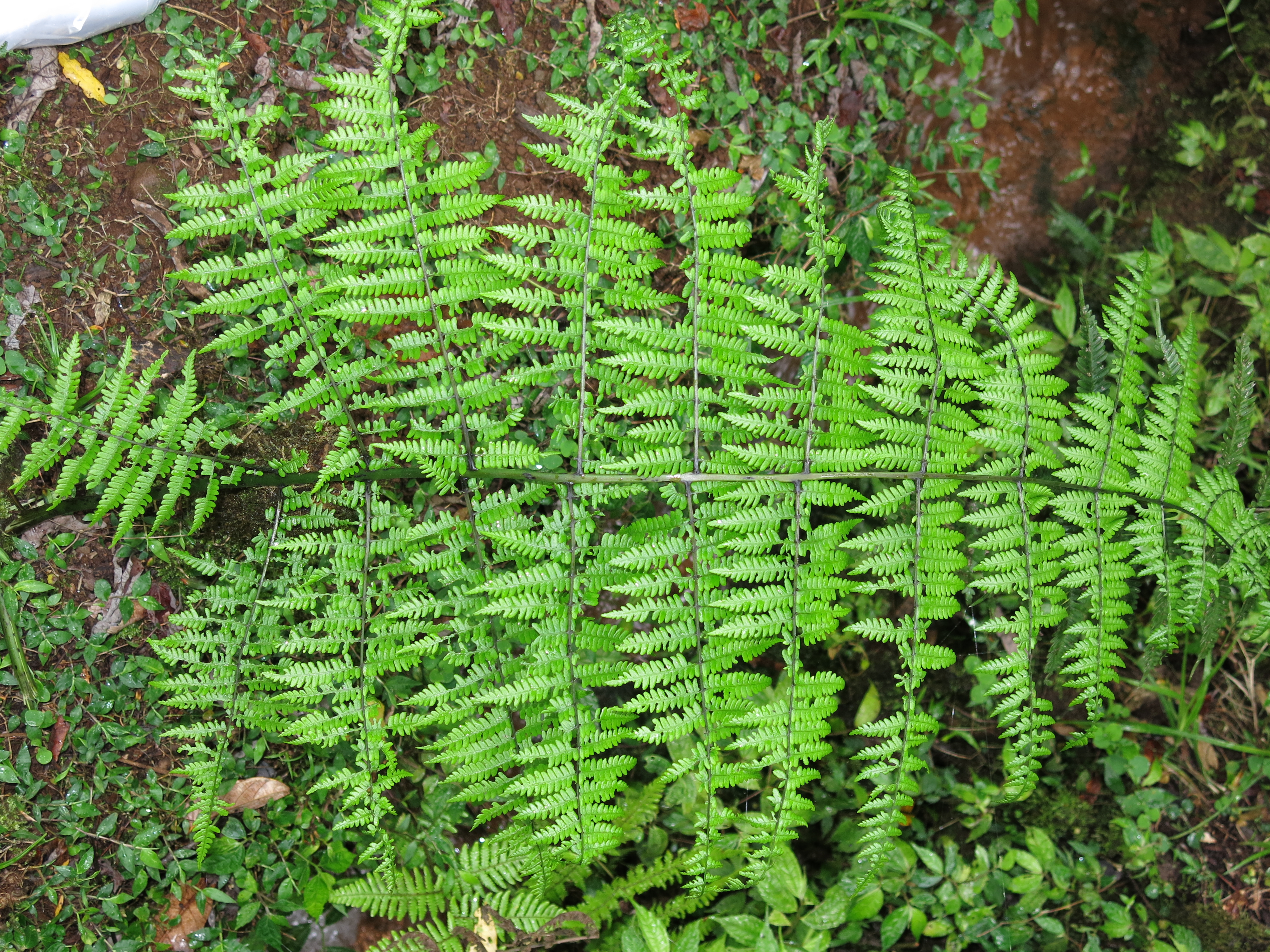
Updated information: After detailed observations, I find it should be Diplazium costulisorum, which is unique in this genus with multiseptate hairs and exindusiate sori.
To my knowledge, this species should be treated under Macrothelypteris. However, it is very distinct one with opposite and flattened pinnae and pinnules, which looks like Diplazium. But the hairy indusia found is no doubt as in Thelypteridaceae.
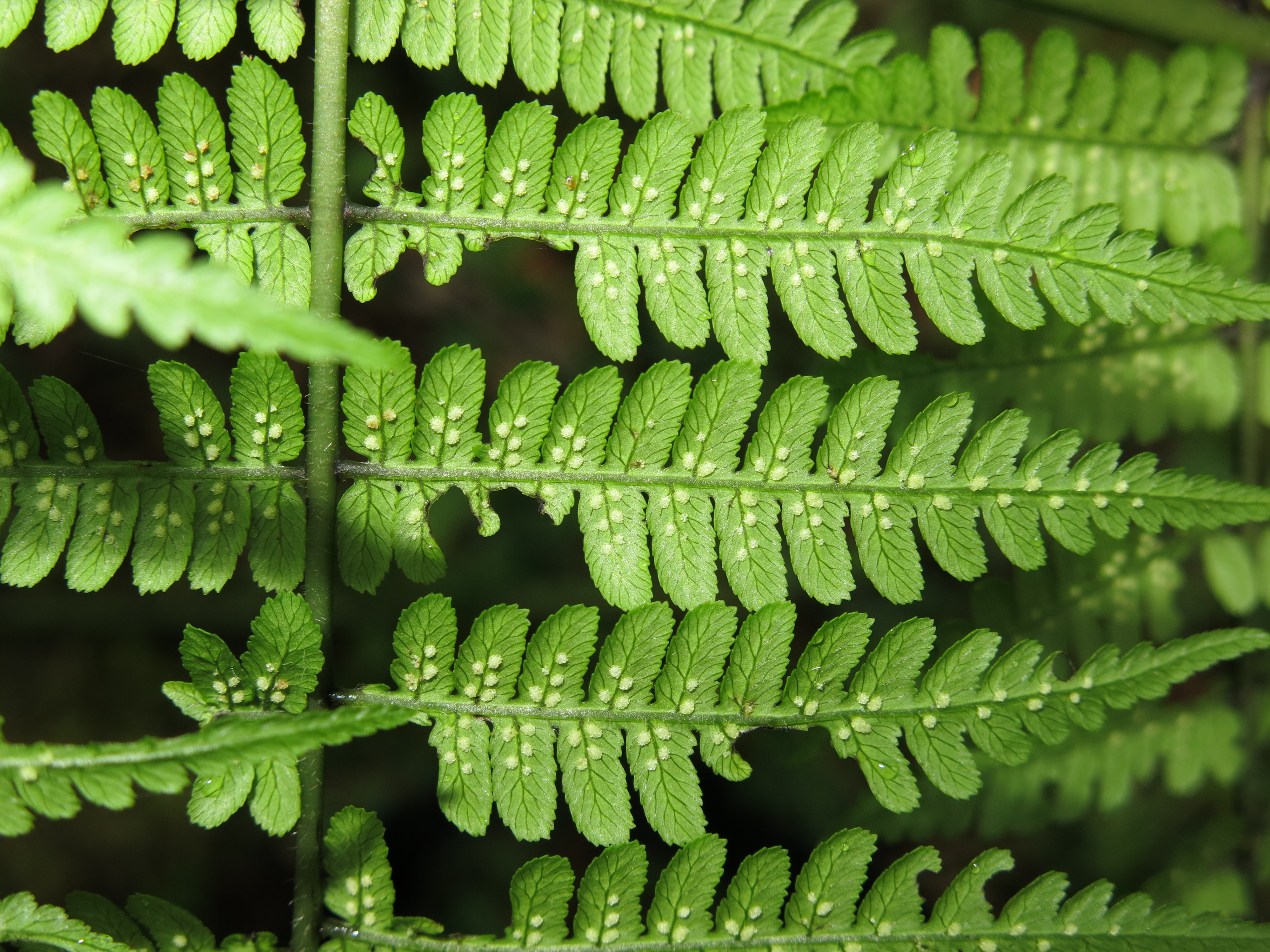
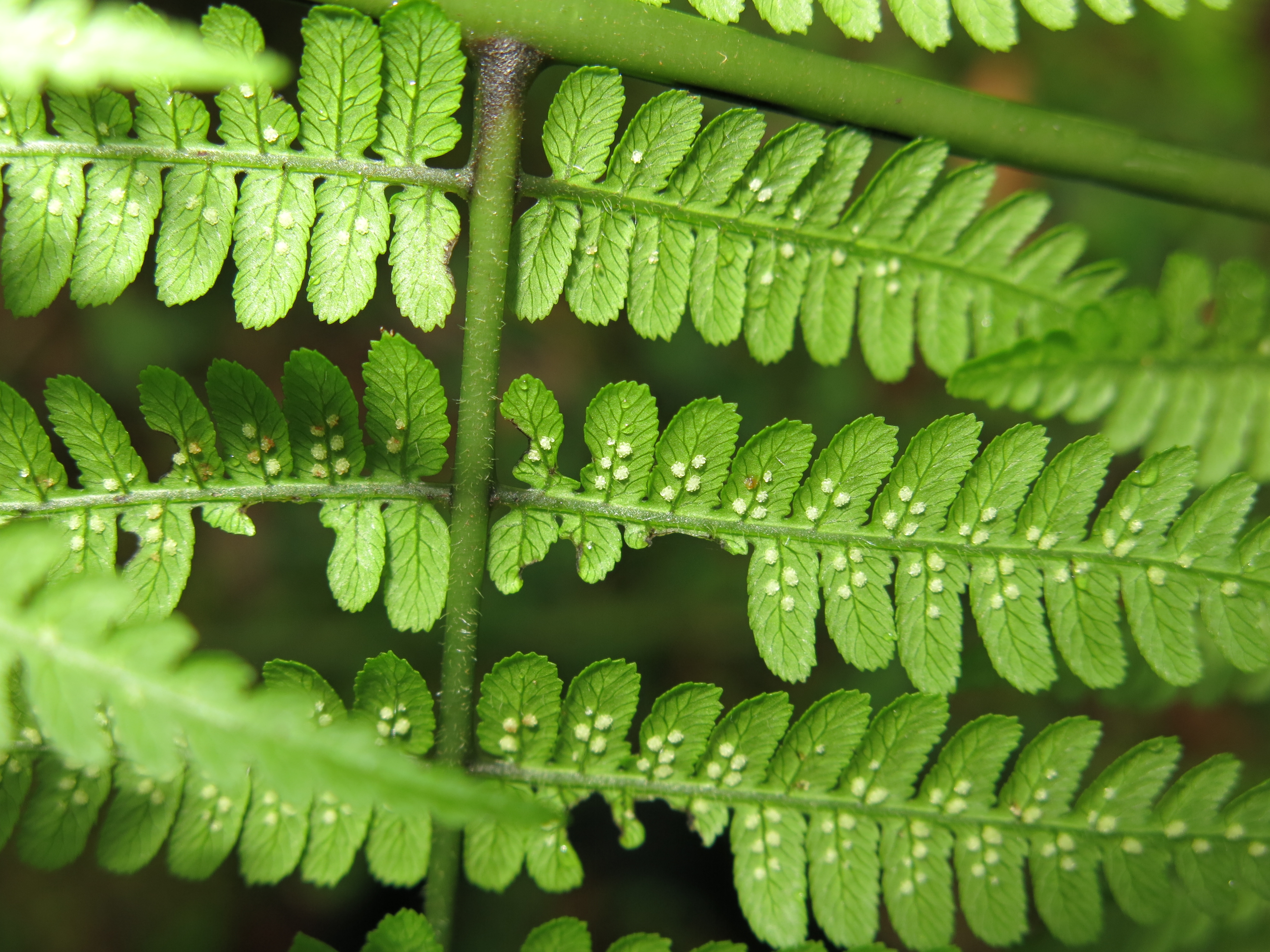
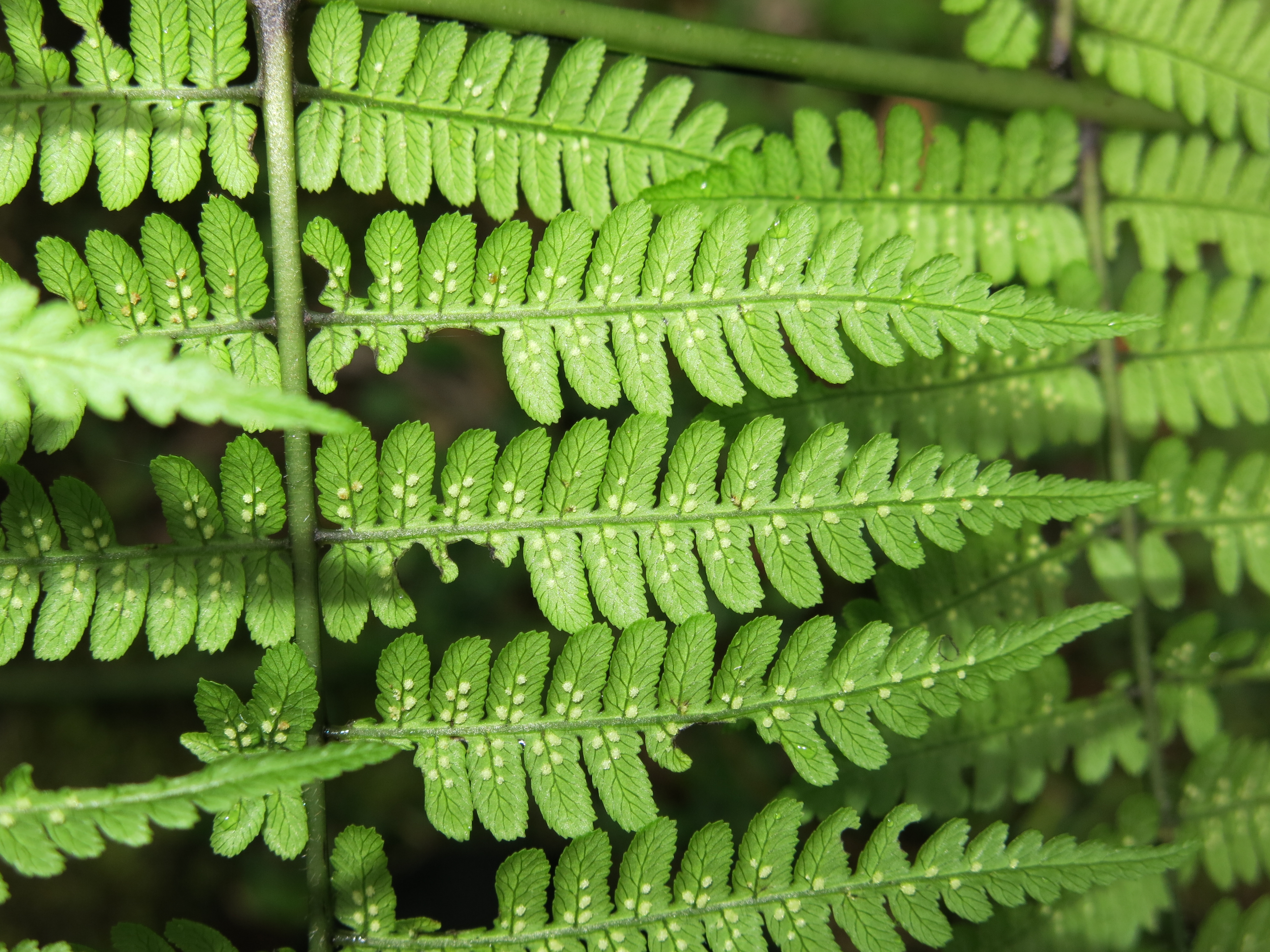
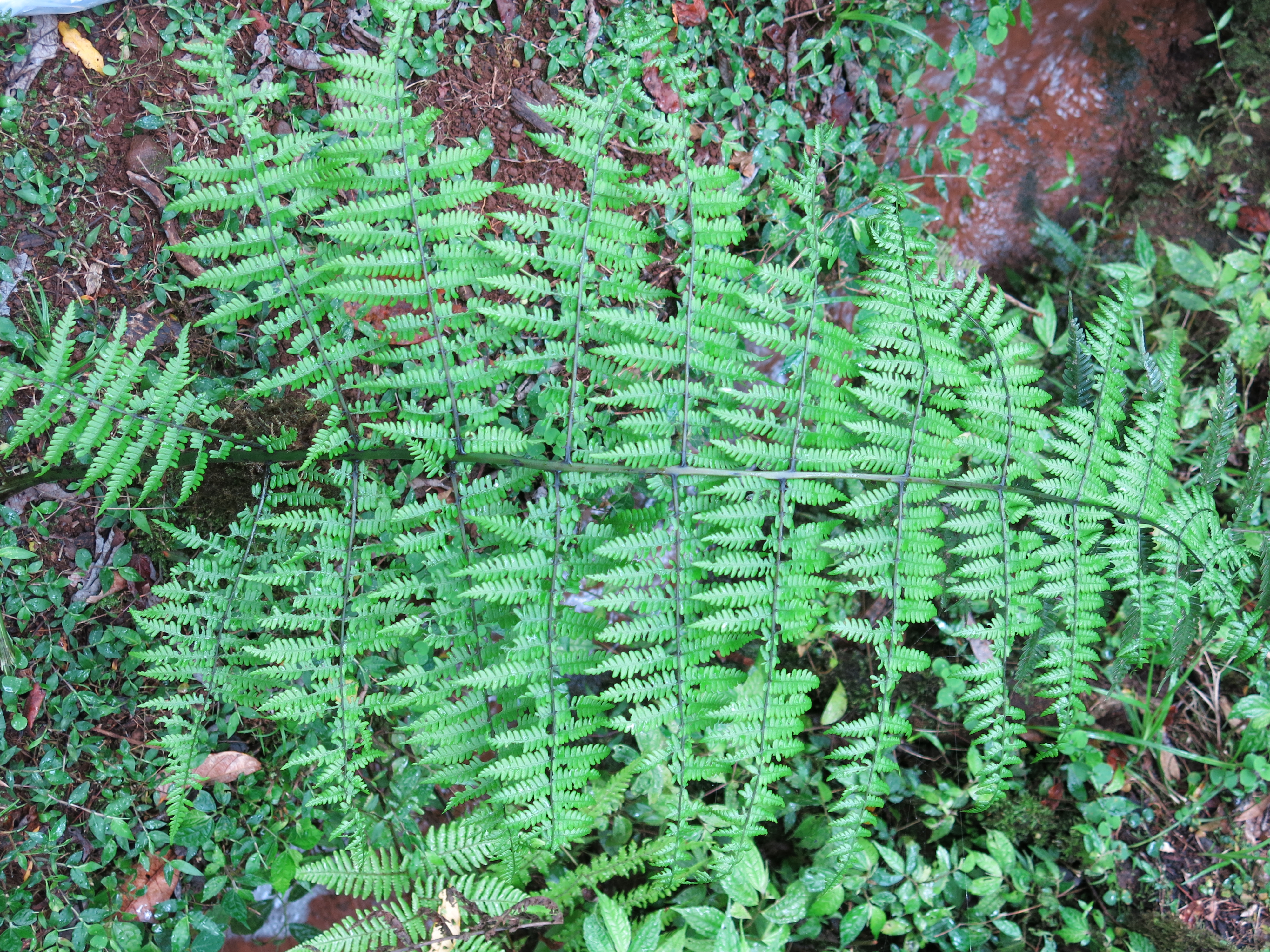

HI, How about Glaphyropteridopsis, as the sori are costular?