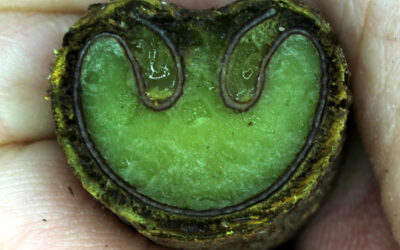
Pteris podophylla
Pteris podophylla Sw. is a widespread species found in middle elevation forests throughout much of the Neotropics, ranging from Mexico and the Greater Antilles to Bolivia and Brazil. It is one of a group...

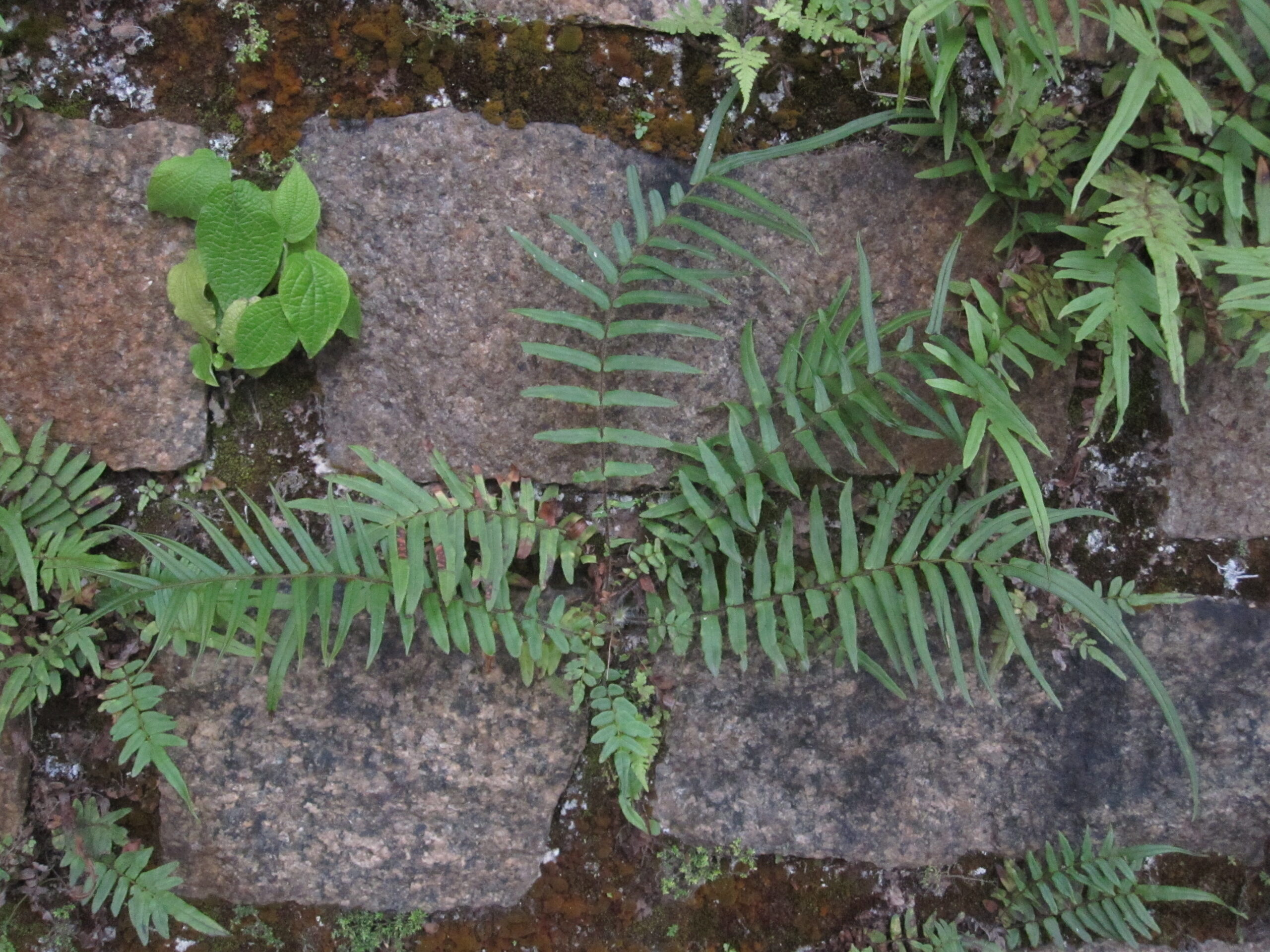
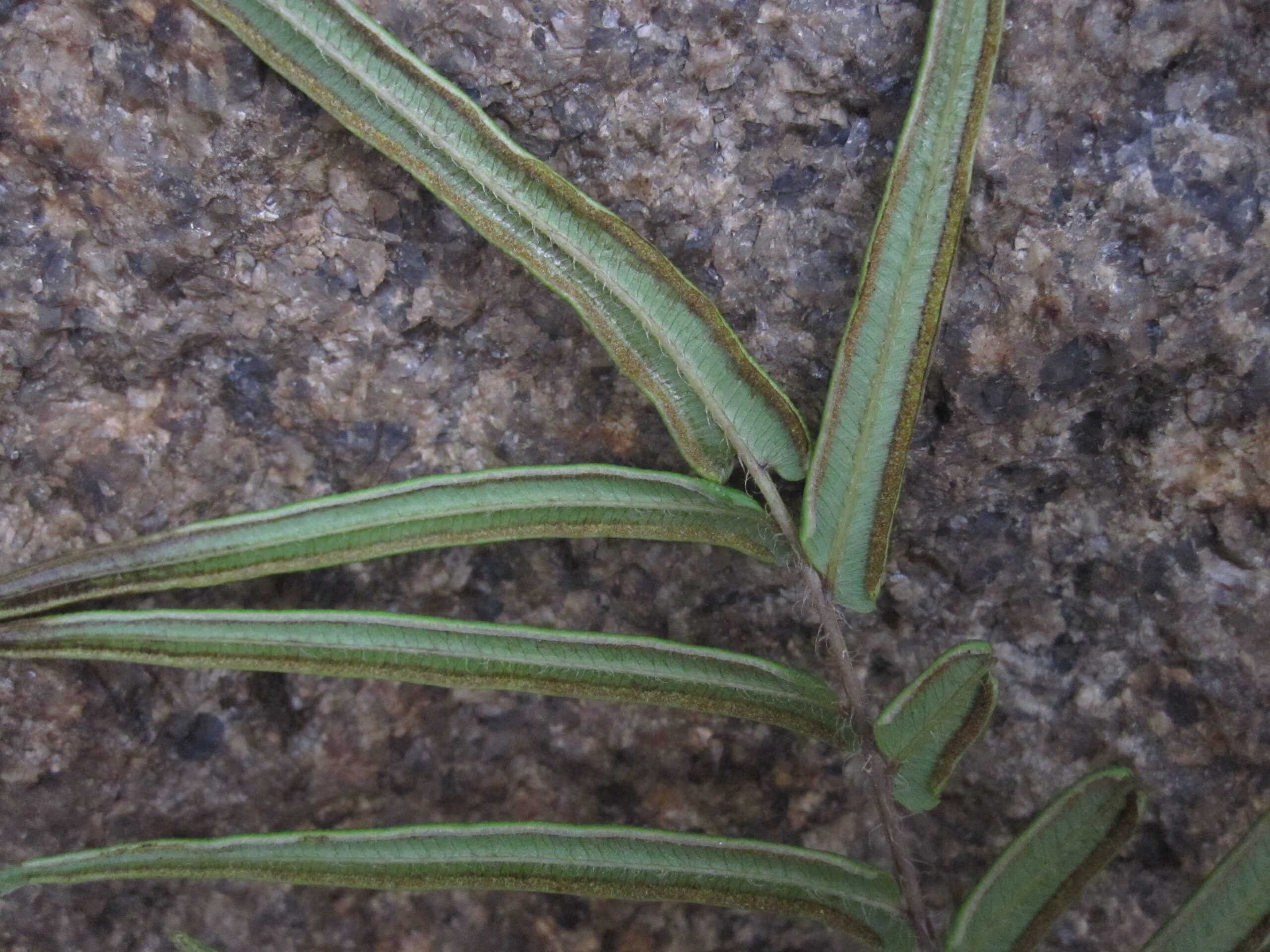
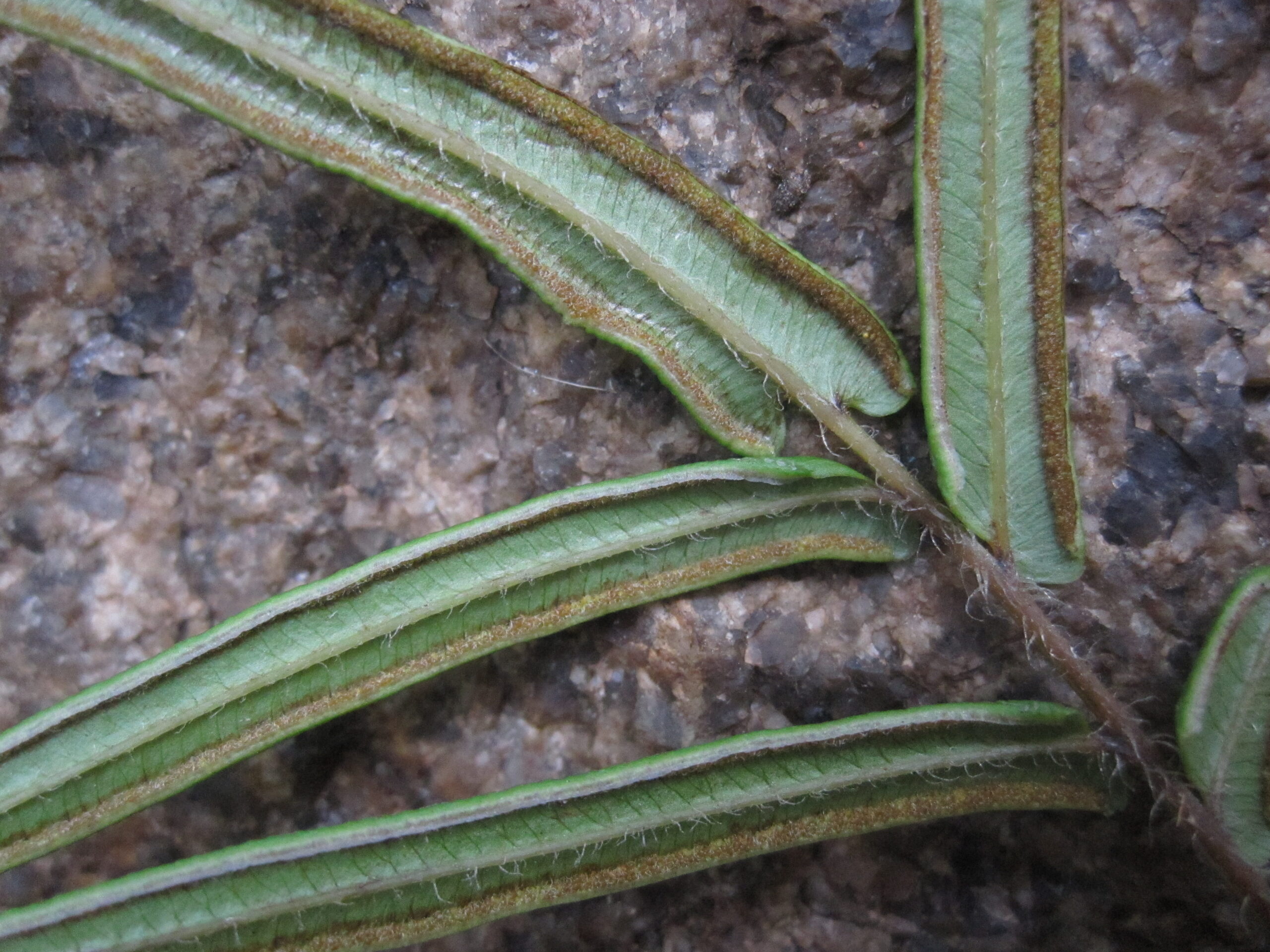

Pteris podophylla Sw. is a widespread species found in middle elevation forests throughout much of the Neotropics, ranging from Mexico and the Greater Antilles to Bolivia and Brazil. It is one of a group...
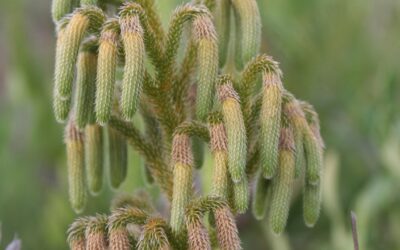
It was not until I collected this species in Pico das Almas that I started to understand it better. Palhinhaea camporum resembles P. cernua in most details, but has more densely foliose, stiffly ascending, not recurved, sterile branchlets. The treelike shoots often...
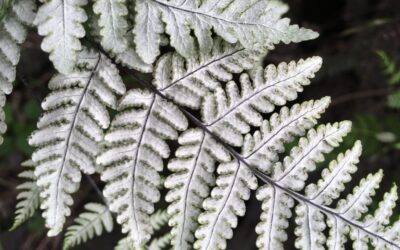
This is a speices of Pteris. There are a couple that commonly occur on rock wall, e.g. P. longifolia and P. vittata.
Great. Thanks. P. vittata is native here.
Where are you from Nathan Smith?
Your plant is Pteris vittata L.
what are difference of pteris vittata and pteris longifolia
Both species are similar in having 1-pinnate-imparipinnate laminae, entire and linear pinnae, and free venation with simple or furcate veins. In Pteris longifolia, however, the pinnae are articulated to the rachis, whereas in P. vittata they are not (i.e., each pinna has a short petiolule that is continuous to the rachis). The pinnae base shape can be helpful too: cordate in P. longifolia vs. truncate in P. vittata.